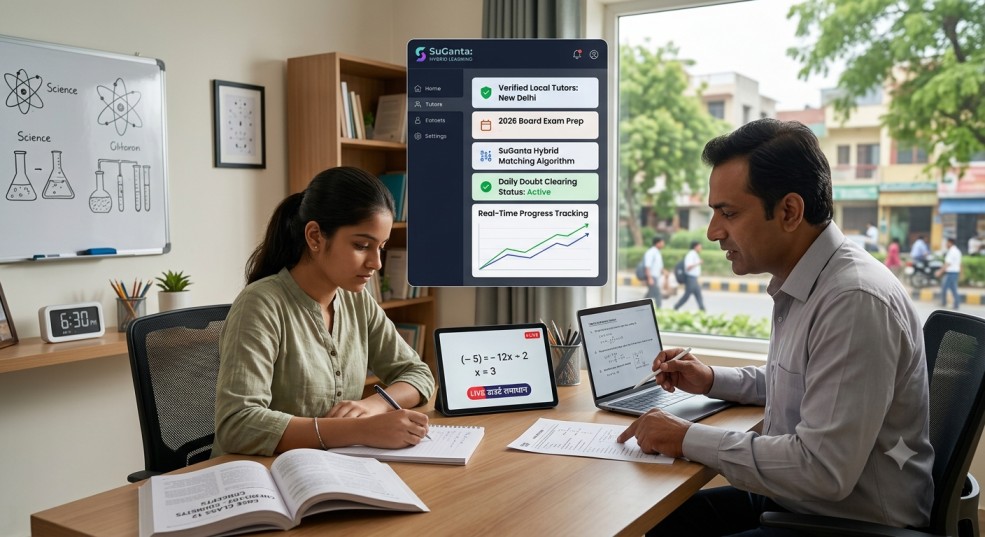
Why Time Management is Important for Board Exams
Time is one of the most valuable resources during exam preparation. Without proper planning, students often feel overwhelmed and unprepared. Smart time management helps you cover the entire syllabus, revise effectively, and maintain a balance between study and relaxation. It ensures that no subject is neglected and that you stay consistent throughout your preparation.
Set Clear and Achievable Goals
Start by setting daily, weekly, and monthly goals. Break your syllabus into smaller, manageable parts and assign deadlines to each topic. Instead of saying, “I will study Physics,” define a clear goal like, “I will complete Chapter 3 and solve 20 numericals today.” Clear goals give direction to your study sessions and help you stay focused.
Create a Realistic Study Schedule
A well-planned timetable is the backbone of effective time management. Design a schedule that suits your routine and energy levels. Allocate more time to difficult subjects while ensuring all subjects get equal attention over time. Avoid overloading your schedule, as unrealistic plans often lead to frustration and burnout.
Use the Pomodoro Technique
The Pomodoro Technique is a proven method to boost productivity. Study for 25–30 minutes with full concentration, followed by a 5-minute break. After completing four sessions, take a longer break of 15–20 minutes. This method helps maintain focus, prevents mental fatigue, and improves retention.
Prioritize Important Topics
Not all topics carry the same weight in exams. Identify high-scoring and frequently asked topics from previous years’ papers. Focus more on these areas while ensuring you understand the basics of all chapters. Prioritizing helps you make the most of your available time.
Avoid Multitasking
Many students believe multitasking saves time, but it actually reduces efficiency. Studying multiple subjects at the same time can confuse your brain and lower concentration. Focus on one subject or topic at a time to achieve better understanding and faster completion.
Track Your Progress Regularly
Monitoring your progress is essential for effective time management. At the end of each day, review what you have completed. This helps you identify areas where you are lagging and make necessary adjustments. Progress tracking also boosts motivation and keeps you accountable.
Include Revision Time
Revision is as important as learning new topics. Dedicate specific time slots for revision in your schedule. Regular revision strengthens your memory and ensures that you don’t forget what you have studied earlier. Weekly and monthly revisions are highly recommended.
Limit Distractions
Time management is incomplete without controlling distractions. Social media, mobile phones, and unnecessary activities can waste hours of your day. Set boundaries and create a study-friendly environment. Use apps or timers to stay disciplined and focused.
Balance Study and Breaks
Continuous studying without breaks can lead to exhaustion. Short breaks between study sessions refresh your mind and improve productivity. Use your break time wisely—avoid activities that can distract you for too long, such as scrolling on social media.
Stay Flexible and Adaptable
Sometimes, things may not go as planned. You might take longer to understand a topic or face unexpected interruptions. Instead of getting stressed, adjust your schedule accordingly. Flexibility is key to maintaining consistency in your preparation.
Get Enough Rest and Sleep
Proper sleep is essential for effective time management. A tired mind cannot concentrate or retain information. Aim for 6–8 hours of sleep daily to keep your brain active and alert. Good rest improves your efficiency and helps you make better use of your study time.
FAQs (15)
1. Why is time management important for Class 12 students?
It helps in covering the syllabus efficiently and reduces exam stress.
2. How can I create a good study timetable?
Divide your time based on subjects and set realistic goals.
3. What is the Pomodoro Technique?
It is a method of studying in short intervals with regular breaks.
4. How many hours should I study daily?
5–7 hours of focused study is usually effective.
5. Should I study all subjects every day?
You can rotate subjects to maintain balance and avoid boredom.
6. How do I avoid wasting time while studying?
Remove distractions and stick to your study plan.
7. Is multitasking effective for studying?
No, it reduces focus and efficiency.
8. How can I stay consistent with my schedule?
Set achievable goals and track your progress daily.
9. How often should I revise?
Weekly and monthly revision is recommended.
10. What should I do if I fall behind schedule?
Adjust your timetable and focus on completing important topics first.
11. Can breaks improve productivity?
Yes, short breaks refresh your mind and improve focus.
12. How do I prioritize subjects?
Focus more on difficult and high-weightage topics.
13. Does sleep affect time management?
Yes, proper sleep improves concentration and efficiency.
14. How can I stay motivated while managing time?
Set small goals and reward yourself after completing tasks.
15. What is the biggest mistake in time management?
Creating unrealistic schedules and not following them consistently.