Introduction
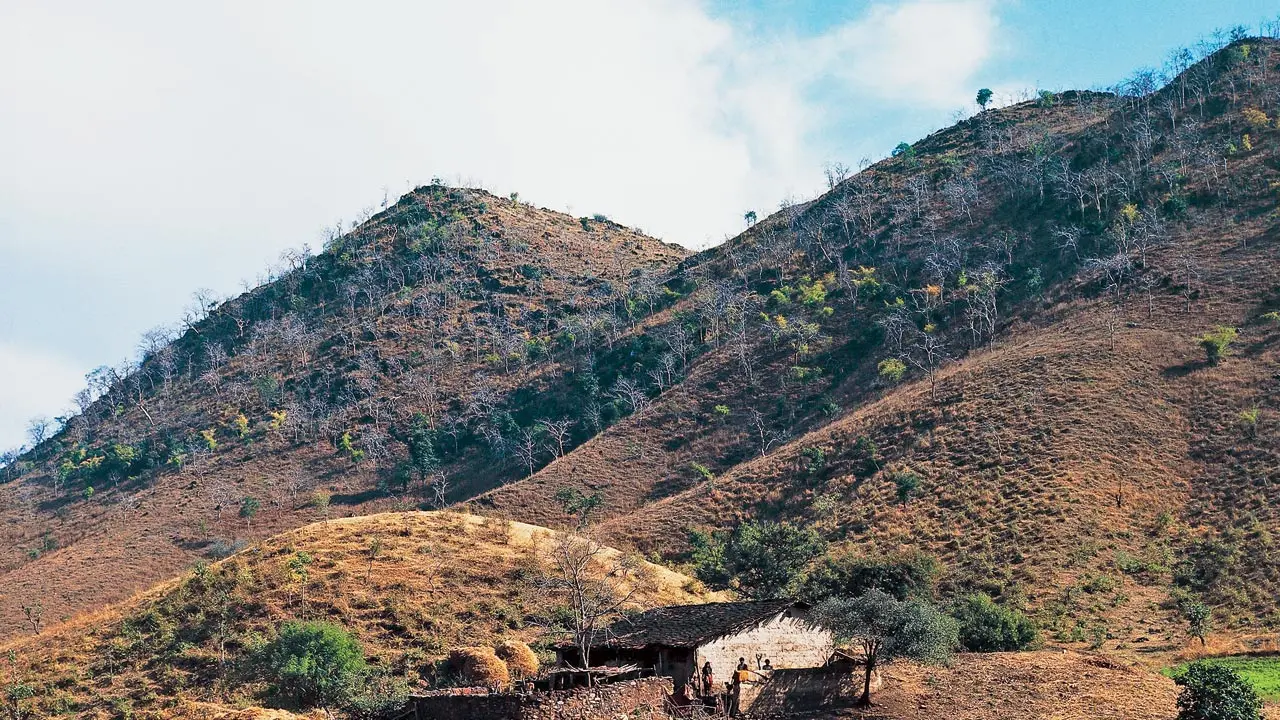
The Aravalli Hills, one of the oldest mountain ranges in the world, have protected northern India for millions of years. Stretching across Gujarat, Rajasthan, Haryana, and Delhi, these mountains are more than just scenic landscapes — they are the lifeline of North India.
But recently, a major controversy has emerged after the Supreme Court of India accepted a new definition of what qualifies as the Aravalli range. This change may seem technical, but experts say it could cause serious environmental damage, affect millions of people, and even disturb the natural balance of the region.
Let’s understand what this issue is all about — and why environmentalists, researchers, and citizens are deeply worried.
What Is the Aravalli Controversy All About?
The Supreme Court recently approved a new rule known as the “100-metre elevation definition.” According to this rule, only landforms that rise at least 100 metres above the surrounding land will now be officially recognised as part of the Aravalli Hills.
This definition was suggested by a committee under the Ministry of Environment to bring uniformity to the identification of Aravalli hills. On paper, it sounds simple. But in reality, this new classification excludes a huge part of the Aravalli landscape — especially smaller ridges, foothills, and green zones that are still ecologically connected.
Environmental experts warn that nearly 90% of the Aravalli area could lose its legal protection if this rule is applied. That means more mining, deforestation, construction, and encroachment could be allowed in these areas — which would be disastrous for the ecosystem.
Why the Aravalli Hills Matter So Much
To understand the concern, it’s important to know why the Aravalli range is crucial for our environment:
The Aravallis act as a natural barrier against the Thar Desert, preventing desert winds and sand from reaching Delhi, Haryana, and other fertile regions.
They are a major groundwater recharge zone — rainwater seeps through their rocks and refills underground water tables that support millions of people.
The range is home to diverse wildlife, including leopards, deer, migratory birds, and several rare plant species.
Forests and trees in the Aravallis help absorb carbon dioxide, improve air quality, and reduce pollution levels in nearby cities.
So when experts say that this new definition could harm the Aravallis, they mean that the environmental and human cost will be enormous — not just in rural areas, but also in big cities that depend on this range for clean air and water.
Why Experts Are Worried
Experts, environmental activists, and local communities have strongly criticised the new definition. According to them, the 100-metre elevation rule treats the Aravallis like just “heaps of rocks,” ignoring their real ecological value.
1. Loss of Legal Protection
If low-lying areas and foothills are excluded from the Aravalli definition, they will no longer be protected under environmental laws. This opens the door for illegal mining and construction, which have already damaged many parts of the range.
2. Water Crisis Could Worsen
The Aravallis are one of the main sources of groundwater recharge for Delhi and Haryana. Removing their protection means less rainwater absorption and more water shortage in an already dry region.
3. Biodiversity in Danger
The range is home to several species that rely on its forests and grasslands for survival. If the habitat is disturbed, wildlife migration and breeding patterns will be disrupted, causing long-term ecological imbalance.
4. Climate and Pollution Problems
Experts also warn that Delhi-NCR’s air quality will worsen if the Aravalli green cover shrinks further. Without these natural barriers, dust storms and heat waves will become more frequent.
In short, the 100-metre rule may look like a small administrative change, but its impact could reshape North India’s entire environment.
A Voice for Nature on World Mountains Day
This debate became even more intense on World Mountains Day, a day dedicated to celebrating and protecting the world’s mountain ecosystems. Instead of celebrations, this year saw experts, students, and environmental groups raising concerns about the future of the Aravallis.
They reminded everyone that mountains are not just about height — they are about life. Even smaller ridges and slopes support thousands of species, regulate water, and protect people from natural disasters.
Suganta Tutors: Spreading Awareness Through Education
At Suganta Tutors, we believe real education is not limited to textbooks — it’s about understanding the world around us. Environmental awareness is a part of responsible learning, and our verified teachers make sure students understand how ecosystems, policies, and human actions are connected.
Through discussions, projects, and case studies, students at Suganta learn about sustainability, conservation, and current environmental issues like the Aravalli controversy.
We encourage learners to ask questions like:
How do mountains affect our daily lives?
Why should we care about environmental policies?
What can students do to protect nature?
By learning through real-world examples, Suganta helps young minds grow into responsible and informed citizens who will lead India toward a greener, more sustainable future.
Because awareness begins in the classroom — and action begins with knowledge.
The Bigger Picture: Balancing Growth and Nature
The Aravalli debate is a reflection of a bigger challenge — how can we balance development with environmental protection?
Cities need land, industries need resources, but without nature, there can be no life.
Experts suggest that instead of focusing only on elevation or boundaries, India should adopt a scientific, ecological approach — one that protects biodiversity, groundwater, and forest cover while allowing sustainable development.
This means:
Conducting proper ecological surveys before changing laws.
Promoting eco-friendly industries instead of mining.
Restoring deforested areas with native plants.
Involving local communities and students in conservation drives.
If we protect the Aravallis, we protect our future — clean air, clean water, and a stable climate.
Frequently Asked Questions (FAQs)
Q1. What exactly is the 100-metre rule for the Aravalli Hills?
It’s a new definition accepted by the Supreme Court, which says only landforms rising 100 metres or more above surrounding ground will count as part of the Aravalli range.
Q2. Why are experts opposing this rule?
Because it removes legal protection from most of the range’s foothills and smaller zones, making them vulnerable to mining and construction.
Q3. How will this affect people in nearby cities?
If the Aravalli green cover reduces, Delhi and nearby areas could face more dust storms, hotter summers, and severe groundwater shortages.
Q4. What can be done to protect the Aravallis?
Experts recommend redefining the Aravallis based on ecological importance, not height — and promoting reforestation, awareness, and sustainable planning.
Q5. How does Suganta Tutors help in such awareness?
Suganta Tutors connects students with verified and experienced teachers who include environmental and sustainability education in their teaching — making students aware of current issues and how they can help solve them.
Conclusion
The Aravalli controversy is not just a legal debate — it’s a reminder that our environment needs constant protection. Mountains like the Aravallis don’t just stand tall; they protect, nurture, and balance life in countless ways.
As experts warn of an ecological disaster, it’s our responsibility to understand, educate, and act.
Through platforms like Suganta Tutors, learning can become a force for positive change — teaching students that protecting nature is not just a choice, but a duty.
Let’s stand for our mountains, our environment, and our future — together.
Learn. Understand. Protect — with Suganta Tutors.