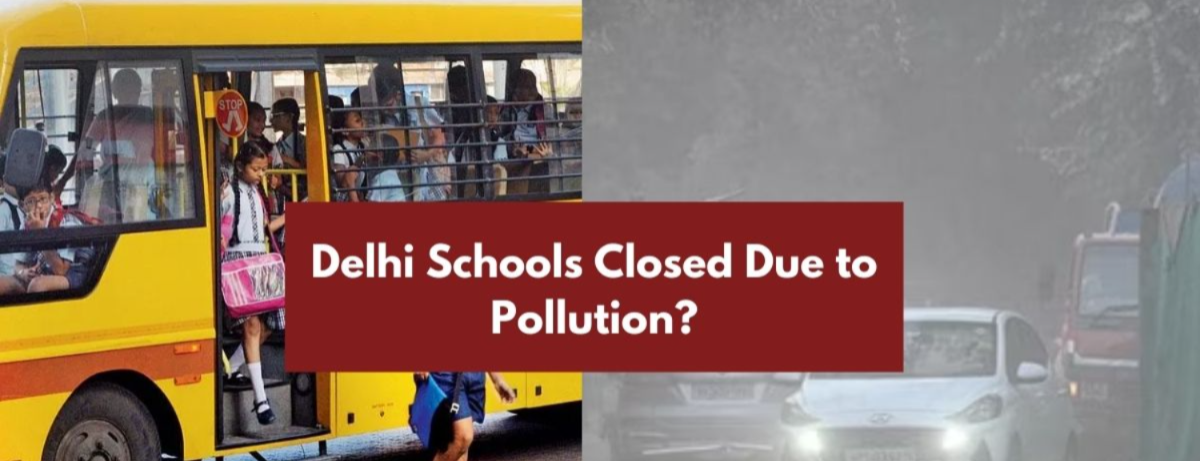
Delhi-NCR is once again struggling with dangerously high air pollution levels. As the Air Quality Index (AQI) slipped into the severe to hazardous category, daily life across Delhi, Noida, and Ghaziabad has been affected. Thick smog, poor visibility, and health advisories have become common, raising serious concerns—especially for young children. In response, authorities have taken a crucial step to protect students by shifting physical classes for Nursery to Class V entirely to online mode.
This decision is not about disrupting education; it is about protecting health while ensuring learning continues. For parents, teachers, and students, understanding why this move was necessary and how it affects different age groups can help reduce anxiety and bring clarity during an already stressful time.
Why Schools Took This Decision
Young children are among the most vulnerable to air pollution. Their lungs are still developing, and exposure to toxic air can trigger breathing problems, allergies, eye irritation, and long-term health risks. Daily school travel during peak pollution hours further increases exposure. Medical experts have repeatedly advised minimizing outdoor activity for children when AQI levels turn hazardous.
Keeping these risks in mind, authorities decided to suspend physical classes for Nursery, LKG, UKG, and Classes I to V. The goal is simple: children stay indoors, remain safe, and continue learning without breathing polluted air.
Nursery to Class V: Online Classes to Protect Learning at a Crucial Age
The early years of education are foundational. This is the age when children learn language, basic numeracy, communication, creativity, and social skills. A long break from learning at this stage can affect confidence and continuity. That is why schools have ensured that online classes are available for Nursery to Class V, so no child’s education suffers.
Teachers are conducting age-appropriate sessions focused on interaction and understanding rather than pressure. Short classes, storytelling, visuals, and activity-based learning are being used to keep children engaged while avoiding excessive screen time. The intent is to maintain routine and curiosity, even from home.
What About Older Students—Do They Have to Go to School?
For Classes VI to IX and Class XI, schools have been allowed to adopt a hybrid approach. Depending on local conditions and safety assessments, some schools are running online classes, while others are offering a mix of online and limited physical attendance. Parents are often given flexibility to choose what works best for their child.
For Class X and Class XII, physical classes are mostly continuing due to board exams, practicals, and syllabus demands. However, schools have been instructed to take precautions and remain flexible if pollution worsens further. In short, younger children are fully protected from outdoor exposure, while older students are being managed with caution and choice.
How Air Pollution Affects Learning and Well-Being
Polluted air doesn’t just affect the body; it impacts the mind too. Children exposed to poor air quality may feel tired, unfocused, or irritable, making it harder to learn effectively. Headaches, coughing, and eye irritation reduce attention in classrooms. Studying from a safer indoor environment helps children stay healthier and more attentive, which ultimately supports better learning outcomes.
How Schools Are Adapting to Online Teaching
Schools across Delhi-NCR are adjusting quickly. Teachers are reworking lesson plans for online platforms, using digital boards, videos, and interactive discussions. Many schools are also recording sessions so students who face connectivity issues can catch up later. The emphasis is on flexibility, understanding, and keeping learning accessible for all families.
The Role of Parents During This Phase
Parents play a vital role in making online learning effective. Creating a calm study space, following school updates, and reassuring children that this change is temporary can make a big difference. Balancing screen time with creative activities and indoor play also helps children stay motivated and emotionally comfortable.
How Suganta Tutors Is Supporting Students and Parents
Sudden shifts to online learning can leave parents unsure about whether their child is fully understanding lessons. This is where Suganta Tutors becomes a reliable support system. Suganta Tutors connects students with experienced and verified tutors who provide personalized guidance suited to each child’s age and learning pace.
Whether it’s strengthening basics, clearing doubts patiently, or helping children adapt to online study routines, Suganta Tutors ensures learning continuity at home. During times when classrooms are inaccessible, such personalized support helps prevent learning gaps and builds confidence in young learners.
Looking Ahead: A Temporary Step with Long-Term Awareness
While moving classes online is a temporary measure, it highlights a larger concern—how environmental challenges affect education. Frequent pollution spikes are pushing schools and families to value flexible learning systems that can adapt quickly without compromising safety or academic growth. This phase has also increased awareness about the importance of health-first decisions in education.
Conclusion
The decision to shift Nursery to Class V classes online in Delhi-NCR is a necessary response to hazardous air quality. It protects children’s health while ensuring that learning continues during a critical developmental stage. Older students are being managed through hybrid or physical modes with flexibility and care.
With cooperation from schools, parents, and platforms like Suganta Tutors, students can continue learning safely and confidently—even during challenging environmental conditions.
Frequently Asked Questions (FAQs)
Are Nursery to Class V students attending school physically right now?
No. Physical classes for Nursery to Class V have been suspended, and learning is being conducted online.
Will students from Class VI and above go to school?
Classes VI to IX and Class XI may follow a hybrid model. Class X and XII mostly continue physical classes with precautions.
Will online classes affect young children’s learning?
When designed properly, online classes maintain learning continuity and prevent academic loss.
How can parents support children during online classes?
Parents can set a routine, create a quiet study space, stay updated with school notices, and encourage balanced screen time.
How does Suganta Tutors help in this situation?
Suganta Tutors offers personalized tutoring, helping children understand concepts better and continue learning effectively at home.




