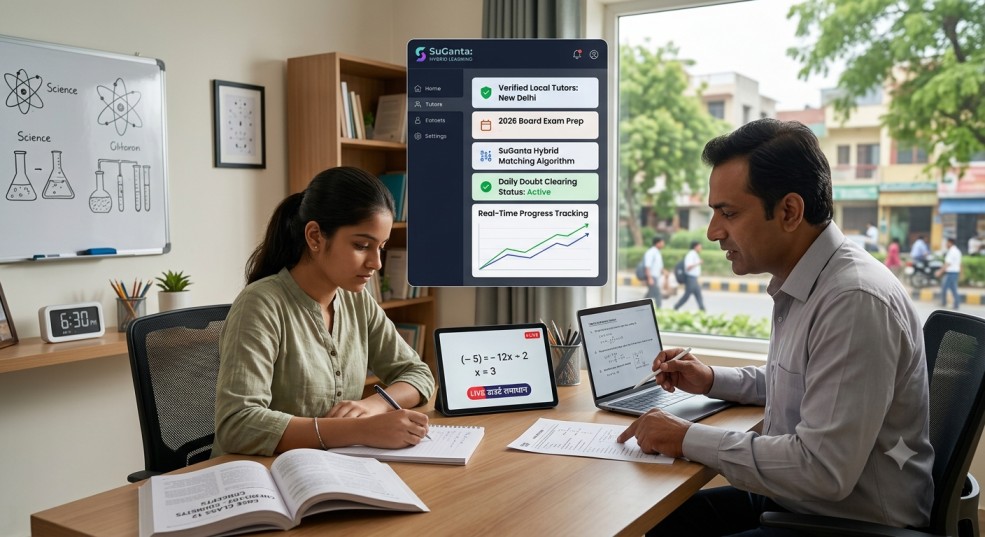
How Education Infrastructure Influences Real Estate Prices in India
When families think about buying a home in India, the first questions are often practical: What is the budget? How far is the office? Is the neighborhood safe?
But one powerful factor quietly shapes property values more than most buyers realize — education infrastructure.
From CBSE schools and international academies to coaching hubs and private tutors, education ecosystems significantly influence real estate demand, pricing, and long-term appreciation across Indian cities.
In this in-depth guide, we explore how education infrastructure affects property prices in India, why investors closely monitor school zones, and how families can make smarter home-buying decisions by considering learning access.
What Is Education Infrastructure?
Education infrastructure includes:
- Schools (CBSE, ICSE, IB, State Boards)
- Colleges and universities
- Coaching institutes (JEE, NEET, UPSC, CA)
- Tuition centers
- Online and hybrid learning platforms
- Skill development institutes
- Libraries and learning hubs
In urban India, education hubs often create micro-markets where property demand remains consistently strong.
Why? Because families prioritize their children’s education above almost everything else.
The Direct Link Between Schools and Property Prices
Globally, real estate studies have shown that homes near reputed schools command price premiums. The same trend is clearly visible in Indian cities.
Why Does This Happen?
- Parents want shorter commute times for children
- Good schools improve long-term family planning stability
- High-ranking schools enhance area reputation
- Demand from tenants increases in such zones
- Resale value remains strong
In many Indian cities, properties within a 2–5 km radius of reputed schools often see:
- Higher demand
- Faster sales
- Stronger price appreciation
- Lower vacancy rates
Education-Driven Micro-Markets in India
Let’s look at how this plays out in major cities.
Gurgaon (Gurugram)
Areas near Golf Course Road and Sector 57 benefit from proximity to international schools and private institutions. Families relocating from Delhi or overseas prefer these localities.
Result:
Premium pricing and stable rental demand.
Noida & Greater Noida
Proximity to reputed schools and coaching institutes increases property absorption rates in sectors near institutional clusters.
Pune
Education hubs near Hinjewadi and Wakad drive both student housing and family-oriented residential growth.
Bangalore
Areas near Whitefield and Sarjapur Road attract tech professionals seeking good schooling options.
Hyderabad
Gachibowli and Kondapur have witnessed strong property growth due to IT offices combined with premium education institutions.
In each case, education infrastructure acts as a demand stabilizer.
Coaching Culture: A Hidden Real Estate Driver
India’s competitive exam culture plays a massive role in property trends.
Cities like:
- Kota (NEET/JEE)
- Hyderabad (coaching hubs)
- Delhi NCR (UPSC coaching centers)
- Pune (engineering prep)
see property demand rise due to coaching migration.
Even within metro cities, micro-localities near coaching clusters experience:
- Higher rental occupancy
- PG and small apartment demand
- Stable investor returns
Education is not just a social priority — it is a real estate catalyst.
Rental Yields in Education-Centric Areas
For investors, education infrastructure means:
- Steady tenant flow
- Lower vacancy risk
- Longer tenant retention
Families with school-going children prefer not to relocate frequently. This creates rental stability.
Properties near:
- Reputed CBSE schools
- Coaching centers
- Colleges
often enjoy:
- Consistent occupancy
- Predictable rental increases
- Strong tenant loyalty
This makes education-driven real estate an attractive strategy.
The Emotional Factor: Why Parents Pay a Premium
Unlike office proximity, which affects adults, education impacts children’s futures.
Parents are willing to:
- Pay higher EMIs
- Accept smaller carpet areas
- Compromise on other amenities
if the property ensures access to quality education.
This emotional premium significantly influences property pricing.
Infrastructure + Education = Price Multiplier
Education alone does not drive property growth. It works best when combined with:
- Metro connectivity
- Office clusters
- Healthcare facilities
- Retail infrastructure
When education hubs exist alongside job centers, demand multiplies.
For example:
IT corridor + international schools = premium housing demand.
This is visible across Gurgaon, Bangalore, and Hyderabad.
How Developers Use Education as a Selling Point
Modern developers strategically market proximity to schools.
Brochures often highlight:
- Distance to reputed institutions
- Tie-ups with international schools
- On-campus learning centers
- Study rooms within apartments
Education access is no longer secondary — it is a core marketing driver.
The Rise of Hybrid Learning and Its Real Estate Impact
Post-pandemic, education evolved.
Parents now look for:
- Quiet study environments
- Extra space for online learning
- Reliable internet connectivity
Homes with dedicated study rooms have gained importance.
Education has changed how buyers evaluate floor plans.
Long-Term Capital Appreciation Trends
Areas near top schools tend to:
- Resist price crashes
- Recover faster after downturns
- Maintain resale liquidity
Even during market slowdowns, education-driven demand remains relatively stable.
This makes such zones less volatile.
Education as a Location Selection Filter
Homebuyers today shortlist properties based on:
- School distance
- Tutor availability
- Coaching centers nearby
- Safety and commute
Education has become a primary decision-making filter.
How Investors Can Use Education Data Strategically
If you are investing, consider:
- Number of schools within 5 km
- Upcoming education projects
- Reputation rankings
- Student migration trends
- Coaching center density
These indicators predict sustained housing demand.
Tier-2 Cities: The Emerging Opportunity
Education-driven real estate is not limited to metros.
Cities like:
- Indore
- Lucknow
- Jaipur
- Coimbatore
- Chandigarh
are witnessing property growth due to expanding educational institutions.
As private schools and coaching institutes expand into tier-2 cities, property demand follows.
The Role of Private Tutors in Micro-Local Demand
Beyond schools, private tutoring ecosystems matter.
Families prefer areas where:
- Verified tutors are easily accessible
- Home tuition services are available
- Academic support networks exist
This enhances the livability factor of a neighborhood.
Education convenience strengthens residential desirability.
Real Estate Case Study: Why School Zones Hold Value
Imagine two similar properties:
Property A: Near a top CBSE school
Property B: 12 km away from any reputed institution
Even if both have similar amenities, Property A will likely:
- Sell faster
- Command higher price
- Maintain stronger rental yield
Education proximity acts as a value stabilizer.
Policy Influence and Urban Planning
Government policies encouraging private school expansion, skill development centers, and university campuses directly influence surrounding real estate.
Upcoming universities often trigger:
- Land price appreciation
- New housing launches
- Rental demand growth
Education projects can reshape entire districts.
Risks to Consider
While education hubs boost demand, buyers should avoid:
- Overpaying purely based on hype
- Ignoring infrastructure bottlenecks
- Investing in oversupplied student housing markets
Balanced evaluation remains crucial.
Education Infrastructure and NRI Buyers
NRIs returning to India prioritize:
- International schools
- IB curriculum
- English-medium institutions
This demand drives premium housing in select zones.
Education becomes a key factor in relocation decisions.
Future Outlook: Education Will Continue Driving Housing Demand
India’s population is young. Education demand will only increase.
Urbanization + rising middle class + academic competition = sustained education-focused housing demand.
As digital learning integrates with physical institutions, housing preferences will continue evolving.
But one thing remains constant:
Families will always prioritize education.
And wherever education flourishes, real estate follows.
Conclusion
Education infrastructure significantly influences real estate prices in India. From premium international schools in metro cities to coaching hubs in tier-2 markets, learning ecosystems shape demand patterns, rental stability, and long-term capital appreciation.
For families, proximity to quality education offers convenience and peace of mind.
For investors, education-driven micro-markets provide resilience and stable returns.
In a country where academic achievement remains a top priority, real estate and education will remain deeply interconnected.
Choosing the right home is not just about square footage or amenities — it is about building an environment where learning thrives.
And in India, that environment carries measurable property value.