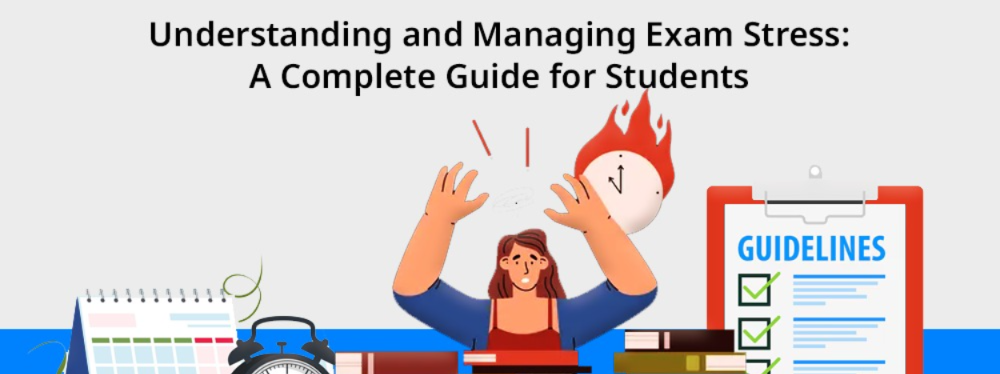
Exams. Just reading that word can make your stomach do a little flip, right? It's totally normal to feel stressed when big tests are coming up. But too much stress can make it harder to think clearly, remember facts, and even sleep.
This isn't about magical cures; it's about smart, simple habits that help you stay calm and perform your best. Think of it as giving your brain and body a little TLC during crunch time.
1. Plan Your Play, Then Your Work
One of the biggest stress-makers is feeling like you have endless work and no end in sight. The trick? Plan your breaks first.
Mini-Breaks are Mighty: Schedule short, fun breaks (10-15 minutes) every hour or so. Get a snack, stretch, look out the window.
Big Breaks are Essential: Block out time for things you love – seeing friends, a hobby, watching a show. When you know fun is coming, studying feels less like a prison sentence.
Your brain needs time to breathe to absorb information properly.
2. Don't Go Solo: Ask for Help
Feeling confused is a huge stress trigger. If you're stuck on a topic, don't just stare at your notes hoping it'll magically make sense.
Friend Power: Ask a classmate if they can explain it. Sometimes hearing it in different words makes all the difference.
Teacher Time: Your teachers are there to help! Ask questions after class or during office hours.
Expert Guidance is a Game-Changer: Sometimes, you need personalized, one-on-one attention. This is where a tutor can be your secret weapon. They can break down tough concepts, fill in gaps, and build your confidence fast. For reliable and verified tutors, check out SuGanta Tutors (www.suganta.com/register). Getting a clear explanation is like instantly deflating a stress balloon!
3. Move Your Body, Free Your Mind
When you're stressed, your body tenses up. Exercise is like hitting a "reset" button for your mind and muscles.
Walk it Out: A brisk walk around the block can do wonders. Fresh air helps clear your head.
Stretch it Out: Simple stretches can release tension in your neck, shoulders, and back from sitting and studying.
Don't Overthink It: You don't need a full workout. Even 15 minutes of moving can release those feel-good chemicals (endorphins) that naturally lower stress.
4. Feed Your Brain (and Your Mood)
What you eat and drink dramatically affects how you feel.
Smart Snacks: Reach for fruits, nuts, yogurt, or whole-grain crackers instead of sugary junk food. Sugar gives you a quick spike then a crash, making you feel more irritable and tired.
Drink Up: Water is your best friend! Dehydration can make you feel sluggish and give you headaches, adding to your stress. Keep a water bottle handy.
Don't Skip Meals: Your brain needs consistent fuel. Even if you're not hungry from stress, try to eat something light and nutritious.
5. Prioritize Your Zzz's (Sleep, Not Study!)
This is often the first thing students sacrifice, and it's a huge mistake! Pulling all-nighters actually hurts your memory and ability to think clearly.
Brain Power: Your brain sorts and stores information while you sleep. Without enough sleep, it's like trying to run a computer with a full hard drive – slow and glitchy.
Mood Booster: Good sleep makes you more resilient and less prone to mood swings and anxiety.
Routine Matters: Try to go to bed and wake up around the same time each day, even on weekends. Wind down an hour before bed – no screens, maybe read a physical book or listen to calming music.
6. Practice Your "Chill Button"
When stress hits, especially during the exam, you need a quick way to calm down.
Deep Breathing: Inhale slowly through your nose for 4 counts, hold for 4, exhale slowly through your mouth for 4. Repeat a few times. This simple act tells your body to relax.
Mindful Moments: Take 60 seconds to just focus on your senses – what do you see, hear, smell, feel? This grounds you in the present and distracts from anxious thoughts.
7. Ditch the Post-Exam Debrief
The exam is done. Leave it there. Obsessing over answers with friends immediately after can just raise your stress about what you might have gotten wrong. Focus on what's next, or better yet, go do something fun!
Exams are a part of learning, but they don't have to be a source of constant dread. By making these small, consistent changes, you're not just studying smarter; you're taking care of your whole self. And a calmer, happier you is a more successful you!
Ready to tackle those tough topics with confidence? Find your perfect tutor at SuGanta Tutors today!
Frequently Asked Questions (FAQ)
Q1: How much sleep is really enough during exams?
Most students need 7-9 hours of sleep. Aim for at least 7 hours every night, especially in the week leading up to and during exams. It will boost your memory and concentration far more than cramming.
Q2: I feel guilty taking breaks. How do I get past that?
Remind yourself that breaks are productive. They are not wasted time; they are essential for your brain to process information and recharge. Think of them as part of your study strategy, not an interruption.
Q3: Can SuGanta Tutors help with specific exam techniques?
Absolutely! Tutors at SuGanta Tutors can not only clarify subject matter but also teach you effective revision strategies, time management for exams, and how to approach different question types, all of which directly reduce stress.
Q4: What if I have a full-blown panic attack during an exam?
If you feel overwhelmed, immediately use your deep breathing technique (like the 4-count breathing mentioned above). Ask the invigilator for a quick break if allowed, or just close your eyes for 30 seconds. Focus on your breath until the initial wave of panic subsides, then re-engage with a question you feel confident about.
Q5: Is coffee bad for exam stress?
Moderate coffee intake can improve focus. However, excessive caffeine can increase heart rate, make you jittery, and worsen anxiety symptoms. Listen to your body and know your limits. Avoid it close to bedtime.




