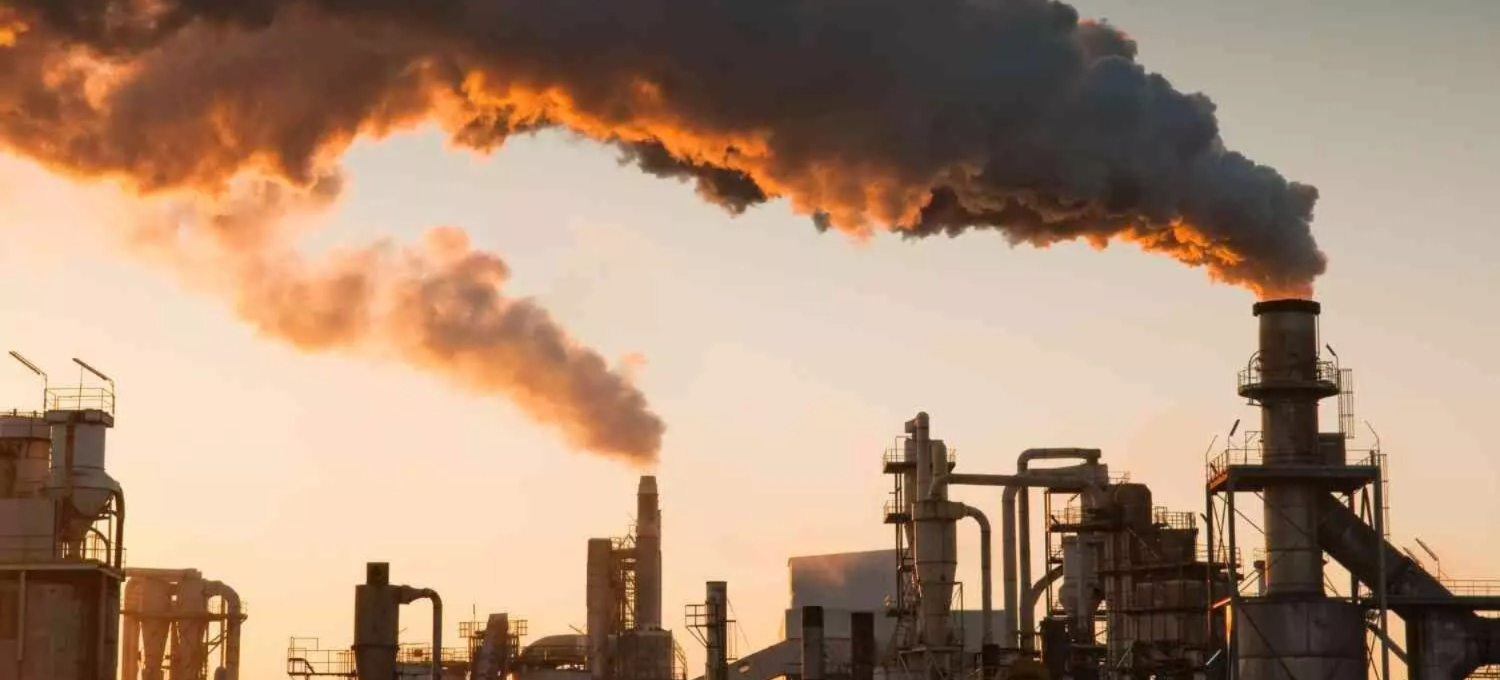
Delhi is a city full of life, energy, and movement. But every winter, this energy gets overshadowed by a blanket of thick smog that covers the skyline. The beautiful blue sky turns grey, visibility drops, and the air becomes heavy and toxic. This is not just a change in weather — it is a warning that Delhi’s air has reached dangerous levels. The truth is simple but painful: we are living in poisoned air, where every breath carries harmful particles entering our lungs silently.
Breathing Has Become Difficult — Even When It Feels Normal
Most people don’t realize the immediate damage pollution causes because the effect is slow and internal. Every breath taken in Delhi contains tiny particles like PM2.5 and PM10 that travel deep into the lungs. These particles irritate the throat, cause continuous coughing, and lead to breathlessness. Children often wake up with wheezing; adults complain of dryness and chest discomfort; elderly people struggle to breathe even indoors.
The most dangerous part is that this damage happens quietly. Even people who say “I am used to it” are still inhaling harmful air that weakens lung function and reduces stamina. Air, which should refresh us, now exhausts us.
Pollution Is Changing Everyday Life in Delhi
Life has changed in ways people never expected. The simple joy of a morning walk now feels unsafe. Parents are scared to take their kids to parks. Outdoor sports, fitness activities, and even casual outings are often avoided because the air is too toxic. Many people prefer staying indoors, and those who go out return home with irritation in the eyes and throat.
The mental effect is equally troubling. Polluted air reduces oxygen supply to the brain, making people more tired, moody, stressed, and less focused. Headaches have become common, and even routine tasks feel more tiring. Pollution has not only affected our physical body but also our emotional balance and productivity.
Children Are the Worst Victims — Their Lungs Are Still Growing
One of the biggest consequences of Delhi’s pollution is its severe impact on children. Their lungs are soft, delicate, and still developing. They breathe faster than adults, which means they inhale more polluted air in a shorter time.
This year, the pollution levels were so extreme that the Delhi government had to close schools for Classes 1 to 5. This decision was taken because sending young children outdoors was considered too dangerous. Many families noticed that their children were coughing more, feeling tired quickly, and even having difficulty sleeping because the air inside the home was also polluted.
School closures show how serious the situation has become. When the environment itself becomes unsafe, education and normal life get directly affected.
Pollution Is Affecting Mental and Emotional Health
Pollution does not only attack the lungs; it affects the mind too. When the brain does not receive clean oxygen, it struggles to function at its best. This leads to:
Constant tiredness
Irritability
Restlessness
Low mood
Difficulty concentrating
Feeling mentally drained
People often feel frustrated without any clear reason. This emotional discomfort is the hidden effect of breathing polluted air every day.
Ensuring That Children Continue Learning Safely
When pollution makes it unsafe for students to attend school, parents must look for alternatives that help maintain learning without risking health. Online classes and home-based study support become extremely helpful during this time.
How SuGanta Tutors Helps Families During Pollution Season
SuGanta Tutors connects families with verified and experienced teachers who offer online and home-based tutoring. This ensures children do not fall behind in their studies during pollution-related school closures. SuGanta offers teachers for all subjects, all boards, all classes, and even competitive exam preparation.
Parents can browse tutor profiles, check qualifications, and select trusted teachers for safe, comfortable learning from home — without exposing children to polluted air.
SuGanta ensures learning continues smoothly even when the air outside is unsafe to breathe.
A City Cannot Grow If Its People Struggle to Breathe
Delhi’s pollution is not just an environmental issue — it affects health, education, mental balance, daily life, and the future of children. Until pollution levels improve, the best protection is staying informed, staying cautious, and making safe choices for our families. Simple steps like using air purifiers, wearing masks, avoiding unnecessary outdoor activities, and choosing safe learning options can make a big difference.
Clean air should be a basic right. But until the city breathes freely again, we must protect ourselves and our children in every way possible.
FAQs
1. Why does Delhi face such high pollution every winter?
Delhi’s pollution spikes due to a combination of factors such as vehicle emissions, industrial smoke, construction dust, firecracker residue, and crop stubble burning in nearby states. Winter weather traps these pollutants closer to the ground, making the air even more toxic.
2. How dangerous is the air for young children?
Young children breathe faster and have developing lungs. Polluted air harms their respiratory system more quickly, causing cough, wheezing, throat irritation, and long-term lung damage. This is why schools for Classes 1 to 5 were closed.
3. Is it safe for students to go to school when AQI is severe?
No. When AQI crosses the “severe” level, the air becomes harmful for everyone, especially children. Exposure can trigger asthma attacks, breathing issues, and long-term health problems. Staying indoors is recommended.
4. How can SuGanta help during pollution-related school closures?
SuGanta Tutors provides verified teachers for online classes, allowing children to continue learning safely from home. Parents can choose the right tutor based on subject, board, and teaching experience.
5. What can families do to stay safe during high pollution days?
Families should use air purifiers, avoid outdoor activities, keep homes dust-free, stay hydrated, wear masks when stepping out, and shift to online learning to reduce exposure for children.




