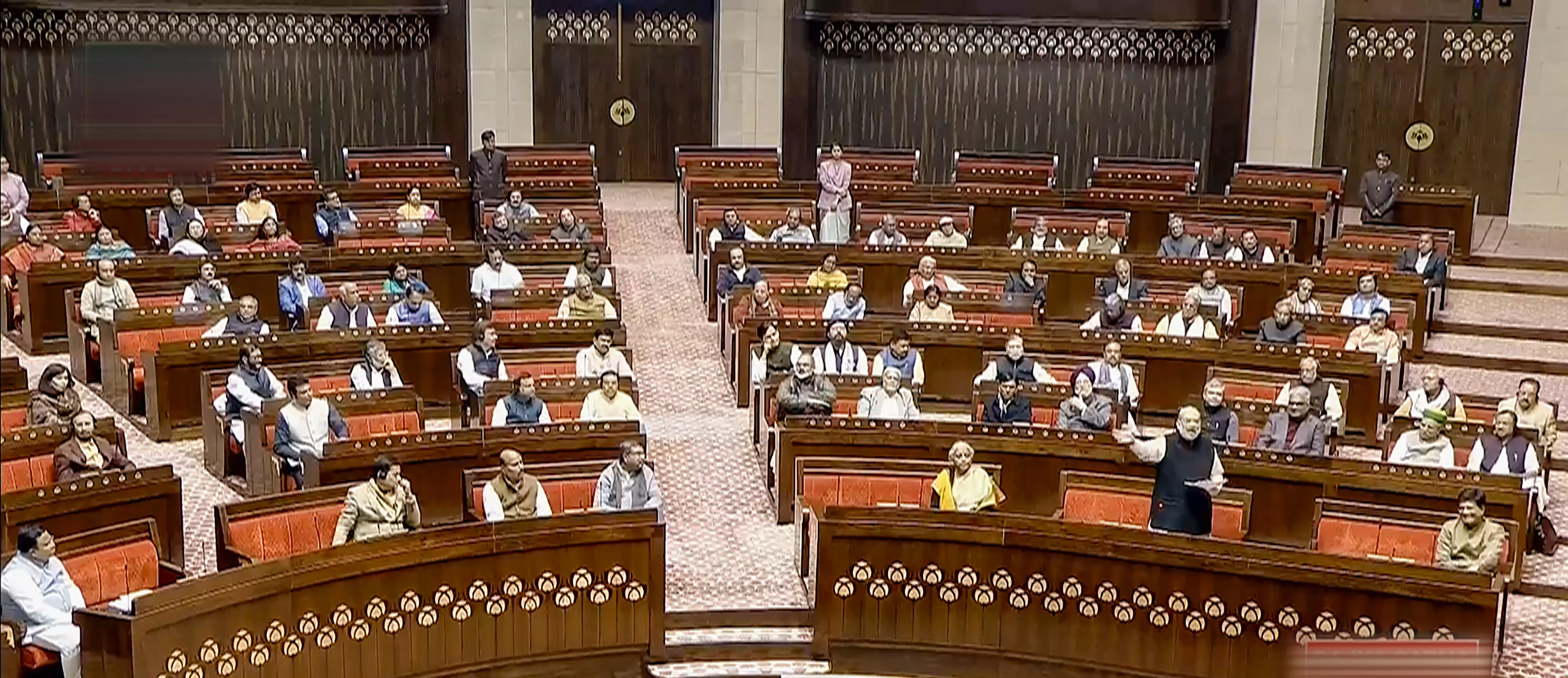
The Winter Session of the Indian Parliament officially came to an end on Day 15 as the Lok Sabha was adjourned sine die. This announcement marked the conclusion of weeks of debates, discussions, and political activity in the lower house of Parliament. The decision was taken after the scheduled business of the session was completed, bringing formal closure to the Winter Session without announcing a date for the next sitting.
For many citizens, such developments appear briefly as headlines, but the meaning and importance behind them often go unnoticed. Understanding what “adjourned sine die” means and why it matters helps people, especially students, gain clarity about how India’s parliamentary system functions in practice.
What Happened on Day 15 of the Winter Session
On the fifteenth day of the Winter Session, the Lok Sabha met to conclude its remaining agenda. After completing discussions and addressing the listed matters, the Speaker announced that the House was adjourned sine die. With this declaration, the Winter Session officially ended, and Parliament will now reconvene only when the next session is summoned.
The Rajya Sabha had also seen multiple adjournments during the session, reflecting intense political debates and differing viewpoints between the ruling party and the opposition. Despite disruptions on some days, the session allowed Members of Parliament to raise important national issues and seek responses from the government.
Meaning and Significance of “Adjourned Sine Die”
The term sine die is derived from Latin and means “without a day.” In parliamentary language, it indicates that a House has been adjourned indefinitely, without setting a date for the next meeting. This does not mean that Parliament has been dissolved. It simply signals the end of the current session.
Adjournment sine die is different from dissolution. While dissolution ends the entire tenure of the Lok Sabha, adjournment sine die only ends a session. The Lok Sabha continues to exist, and its work resumes in the next session.
Productivity and Challenges of the Winter Session
Like many recent parliamentary sessions, the Winter Session faced challenges related to disruptions and interruptions. Heated debates and protests led to frequent adjournments, reducing the amount of time available for legislative work. However, such confrontations also highlight the democratic nature of Parliament, where diverse opinions and disagreements are openly expressed.
Several important issues were discussed during the session, ranging from governance and public welfare to economic and social concerns. Even when laws are not passed immediately, these debates play a crucial role in shaping public policy and administrative decisions.
Why This Topic Is Important for Students
Parliamentary terms and procedures are a significant part of school syllabi and competitive examinations. Concepts such as adjournment, sine die, prorogation, and dissolution often appear in exams related to civics, political science, and general knowledge. Understanding these terms through real-life examples, like the conclusion of the Winter Session, makes learning more meaningful.
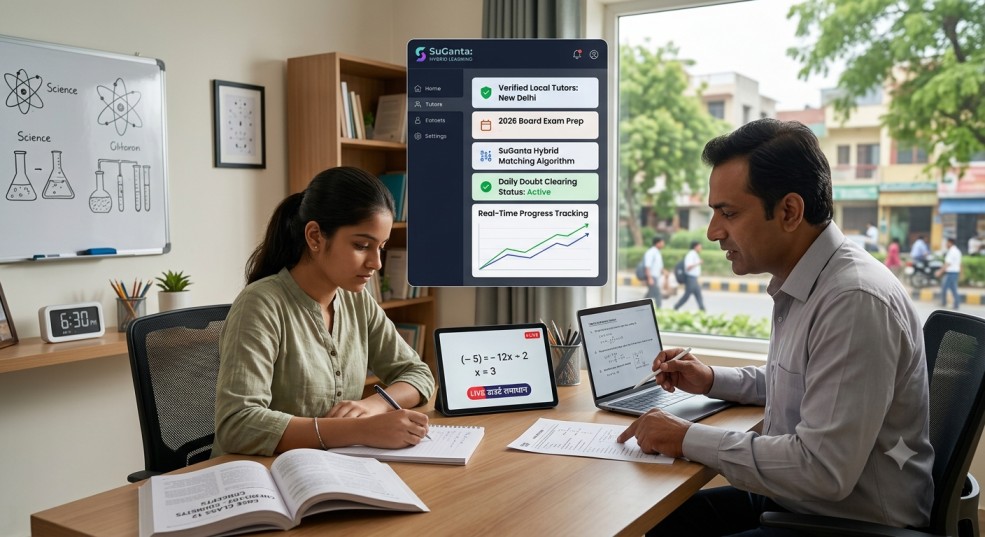
At Suganta Tutors, educators focus on explaining such current affairs in a simplified and practical manner. Instead of memorizing definitions, students learn how parliamentary procedures work in real situations, which improves both understanding and retention.
Role of Suganta Tutors in Current Affairs Learning
Suganta Tutors connects students with experienced teachers who break down complex political and constitutional topics into easy-to-understand lessons. By linking daily news with academic concepts, the platform helps students stay updated while preparing effectively for exams.
Whether a student is preparing for UPSC, State PSCs, SSC, or other competitive exams, Suganta Tutors provides guidance that bridges the gap between textbook knowledge and real-world developments.
What Happens After the Winter Session Ends
With the Winter Session now concluded, attention gradually shifts toward the upcoming Budget Session, which is usually the most significant session of the year. During the period between sessions, parliamentary committees continue their work, and ministries prepare reports and policy proposals.
The discussions held during the Winter Session often influence the agenda of the Budget Session, making this break an important phase for government planning and review.
Importance of Parliamentary Awareness in a Democracy
Understanding parliamentary proceedings helps citizens become more informed and engaged. When people know how laws are debated and sessions are conducted, they are better equipped to evaluate political developments and participate in democratic processes. For students, this awareness builds a strong foundation for future academic and professional pursuits.
Political Reactions and Public Discourse
The adjournment of the Lok Sabha sine die also triggered reactions from various political parties. While the government highlighted the completion of legislative business, opposition leaders expressed concerns over time lost due to disruptions and unresolved discussions. Such reactions are common at the end of parliamentary sessions and often continue in public debates, news discussions, and media analysis. These conversations keep democratic accountability alive even after the session ends.
Role of Opposition During the Winter Session
The Winter Session once again highlighted the critical role of the opposition in raising public concerns. Members questioned government policies, demanded clarifications, and brought attention to regional and national issues. Although disagreements sometimes led to adjournments, the presence of an active opposition ensured that multiple perspectives were heard within the House, reinforcing the democratic spirit of Parliament.
Learning Parliamentary Processes Through Real Events
Real-time parliamentary events like the Winter Session offer students a practical way to understand how democracy functions. Concepts explained in textbooks come alive when students observe how sessions begin, how debates unfold, and how they formally conclude. Such learning becomes more engaging when theory is connected with current events, making civics and political science less abstract.
Suganta Tutors and Concept-Based Learning
At Suganta Tutors, the focus is on concept-based education rather than rote learning. Teachers help students analyze events such as the adjournment sine die of the Lok Sabha by explaining the background, constitutional provisions, and long-term impact. This approach is particularly useful for students who aim to perform well in exams as well as develop informed opinions as responsible citizens.
Importance for Journalism and Law Aspirants
For students preparing for careers in journalism, law, or public administration, parliamentary sessions are a rich source of practical learning. Understanding how debates are conducted, how sessions are concluded, and how political narratives are formed helps them build analytical skills. Discussions around the Winter Session provide valuable insight into governance and legislative functioning.
Impact on Policy Discussions Beyond Parliament
Even after the Winter Session ends, its impact continues outside Parliament. Issues raised during debates often influence government decisions, administrative actions, and public opinion. Civil society, media houses, and policy experts closely analyze these discussions, ensuring that parliamentary debates remain relevant beyond the House itself.
Encouraging Civic Awareness Among Young Students
Awareness of parliamentary processes at an early stage helps young learners become more engaged citizens. When students understand how their representatives function and how national decisions are discussed, they develop a sense of responsibility toward democracy. Through guided learning and expert mentorship, Suganta Tutors supports students in building this civic awareness alongside academic growth.
FAQs
What does “Lok Sabha adjourned sine die” mean?
It means the Lok Sabha session has ended without announcing a date for the next sitting.
Is adjournment sine die the same as dissolution?
No. Adjournment sine die ends a session, while dissolution ends the entire Lok Sabha.
Which session comes after the Winter Session?
The next session is usually the Budget Session.
Why is the Winter Session important?
It allows Parliament to discuss national issues, question the government, and debate policies.
Is this topic relevant for competitive exams?
Yes, parliamentary procedures and current affairs are commonly asked in exams.
How can students understand such topics easily?
With guidance from platforms like Suganta Tutors, where experts explain current affairs in a clear and student-friendly way.