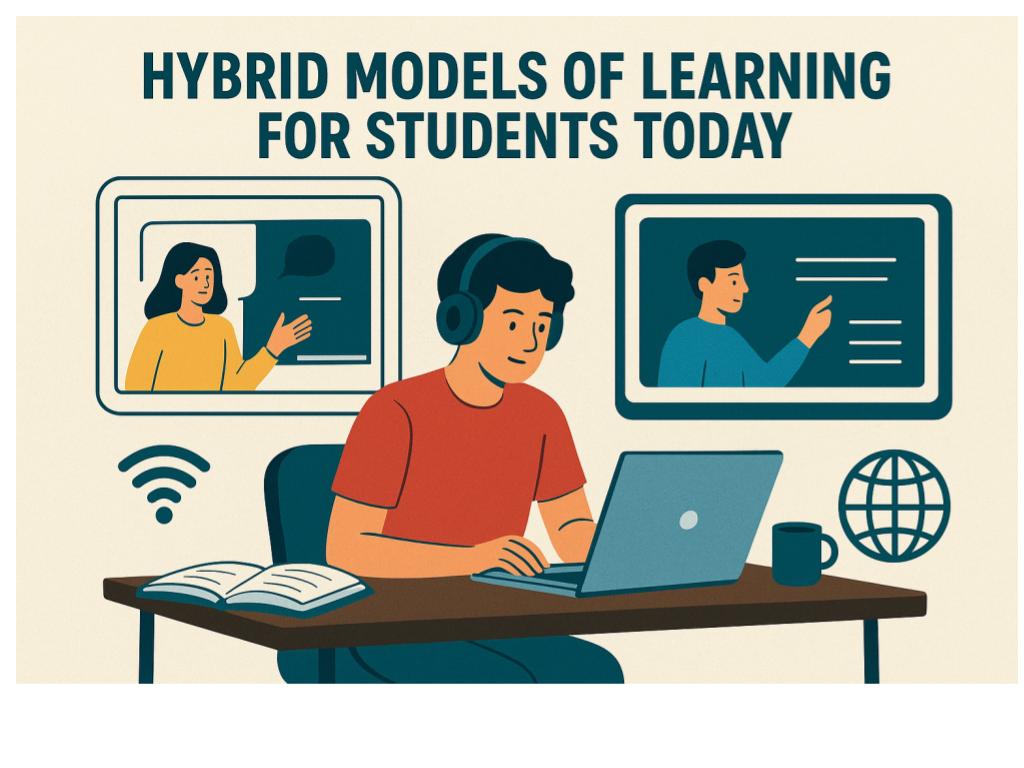
Education in 2026 feels very different from what it used to be just a few years ago. Earlier, learning was simple in structure — students went to school or tuition classes, sat in a classroom, listened to the teacher, completed homework, and returned home. Then came the wave of online learning, which completely changed the system. Classes moved to screens, assignments became digital, and interaction happened through webcams and microphones.
Now, in 2026, education has evolved into something much more balanced and powerful. It is no longer about choosing between online or offline. It is about combining both in a smart and meaningful way. This powerful combination is called hybrid learning — and it is shaping the future of tuition and academic support across the world.
Hybrid learning is not just a technical concept. It is a human-centered approach to education that understands one important truth: students learn best when they have flexibility, support, connection, and access to modern tools at the same time.
Let us explore how this powerful blend of online and offline tuition is creating a deep and lasting impact in 2026.
Understanding Hybrid Learning in Simple Words
Hybrid learning simply means that students experience both physical classroom teaching and online learning as part of the same system. It does not replace one with the other. Instead, it combines the strengths of both formats.
In a hybrid model, a student might attend offline tuition classes during the week for concept clarity and personal interaction. Alongside that, the same student may attend online revision sessions, attempt digital mock tests, or access recorded lectures for extra practice. The learning continues even after the classroom session ends.
The idea is not to increase workload but to improve understanding and flexibility. Students are no longer restricted to one environment. Learning becomes continuous, adaptable, and more personalized.
Why Hybrid Learning Has Become So Important in 2026
The world has changed rapidly. Students today are more exposed to technology than ever before. They use smartphones, tablets, laptops, and online tools daily. At the same time, they still need human interaction, emotional guidance, and face-to-face mentorship.
Purely online learning often lacks emotional warmth and discipline. Purely offline learning sometimes lacks flexibility and advanced digital tools. Hybrid learning solves both problems by blending them intelligently.
Parents in 2026 are also more aware and involved in their child’s education. They want quality, safety, flexibility, and measurable progress. Hybrid learning gives them all these benefits. It allows students to study at home when needed and attend physical sessions when personal attention is required.
This balance makes hybrid learning not just convenient, but practical and effective.
The Emotional Power of Offline Teaching
No matter how advanced technology becomes, the value of face-to-face teaching can never be completely replaced. When a student sits in front of a teacher physically, something powerful happens. The teacher can observe facial expressions, understand confusion instantly, and adjust the explanation accordingly.
Offline classes build discipline and routine. Students learn to focus without distractions. They develop communication skills by interacting with teachers and classmates. They gain confidence when they ask questions openly.
There is also emotional support in physical learning spaces. Sometimes students need encouragement more than explanation. A simple smile, appreciation, or reassurance from a teacher can change a student’s mindset completely. Hybrid learning preserves this emotional connection while adding digital advantages.
The Flexibility and Strength of Online Learning
Online learning brings a different kind of strength. It removes geographical limitations. A student can attend a session from home without spending time traveling. Recorded lectures allow revision anytime. Digital test series give instant feedback. Online tools track performance and show improvement clearly.
For students preparing for competitive exams, online practice platforms provide unlimited mock tests and performance analysis. For language learners, online sessions allow flexible scheduling and repeated practice.
In 2026, online learning is not just about live video classes. It includes interactive quizzes, AI-powered analytics, digital whiteboards, progress dashboards, and instant doubt-solving sessions. When combined with offline teaching, it makes learning much stronger.
How Hybrid Learning Improves Academic Performance
One of the biggest advantages of hybrid learning is improved understanding. When students first learn a topic in an offline class, they get conceptual clarity. They can ask immediate questions and receive personalized explanations.
Later, when they revisit the same topic online through recorded sessions or practice tests, they strengthen their memory. Repetition becomes easier and more structured. This layered approach improves retention.
Instead of studying once and forgetting later, students now experience learning in multiple formats. This improves confidence and performance in exams.
Hybrid learning also reduces the fear of missing out. If a student misses an offline session due to illness or travel, they can catch up online. Learning does not stop.
The Role of Suganta Tutors in Hybrid Learning
In 2026, platforms that understand flexibility are leading the education industry. One such platform supporting this transformation is Suganta Tutors.
Suganta Tutors connects students with verified teachers for both home tuition and online classes. Instead of forcing families to choose between online or offline tuition, the platform allows them to combine both according to their needs.
For example, a student struggling in mathematics may attend physical home tuition twice a week for strong concept building. Alongside that, they can join online doubt-clearing sessions or revision classes before exams. Study materials can be shared digitally for continuous practice.
This flexible approach ensures that students receive personal attention along with digital convenience. Suganta Tutors understands that every learner is different. Some students need more face-to-face guidance, while others benefit from online revision. Hybrid learning makes it possible to customize education.
How Hybrid Learning Supports Different Types of Students
Not all students learn the same way. Some are visual learners. Some prefer listening. Some learn best through practice. Hybrid learning respects these differences.
A shy student who hesitates to speak in a classroom may feel more comfortable asking questions online. On the other hand, a student who gets distracted easily at home may focus better in offline sessions.
By combining both environments, hybrid learning ensures that no student feels left behind. It provides multiple ways to understand the same concept.
For competitive exam aspirants, hybrid learning is especially powerful. They receive structured classroom teaching along with online mock tests and performance analysis. This dual support builds strong preparation.
Benefits for Parents in 2026
Parents today are more involved in their child’s education than ever before. They want regular updates, transparent progress reports, and flexibility.
Hybrid learning makes this easier. Online tools allow teachers to share performance reports quickly. Parents can review assignments and test results digitally. At the same time, offline meetings provide personal interaction and discussion about improvement areas.
Travel time is reduced. Scheduling becomes easier. Safety concerns are minimized because some sessions can happen at home online.
Parents feel more confident when learning is continuous and structured.
Benefits for Teachers
Hybrid learning also empowers teachers. They are no longer limited to teaching only students in their locality. Through online sessions, they can connect with learners from different cities and backgrounds.
Teachers can record lectures once and allow multiple students to benefit. They can use digital tools to conduct quizzes and track progress. Offline sessions remain important for mentoring and personal connection.
This model increases earning opportunities while maintaining teaching quality.
Managing Challenges in Hybrid Learning
Like every system, hybrid learning requires balance. Too much screen time can affect health, so scheduling must be planned carefully. Offline sessions should be used strategically for important topics and interaction.
Self-discipline is also important. Students must learn to manage their time. Parents and teachers can help by creating structured routines.
When properly organized, hybrid learning becomes smooth and highly effective.
The Long-Term Impact of Hybrid Learning
Hybrid learning is not a temporary trend. It is a long-term shift in how education works. In the future, we may see more advanced tools like artificial intelligence, personalized learning paths, and virtual simulations integrated into this model.
However, the core idea will remain the same: combining technology with human connection.
Education is strongest when it is flexible yet personal. Structured yet adaptable. Digital yet human.
Hybrid learning represents that perfect balance.
Frequently Asked Questions (FAQs)
What exactly is hybrid learning?
Hybrid learning is an education system that combines offline classroom teaching with online learning tools and sessions. It allows students to experience both physical interaction and digital flexibility.
Is hybrid learning better than traditional tuition?
Hybrid learning offers more flexibility and revision opportunities than purely traditional tuition. It enhances classroom teaching with digital support, making it more effective.
Is it suitable for younger students?
Yes, when properly managed. Younger students benefit from offline attention while using online sessions mainly for revision and practice.
How does Suganta Tutors support hybrid learning?
Suganta Tutors offers both home tuition and online classes. This allows families to design a customized hybrid learning plan according to their needs and schedules.
Does hybrid learning improve exam performance?
Yes, because it provides multiple learning formats, repeated exposure to concepts, and continuous assessment, which strengthens preparation.
Final Thoughts
In 2026, education is no longer about choosing between online or offline learning. It is about creating harmony between both. Hybrid learning recognizes that students need structure and flexibility, technology and mentorship, independence and guidance.
When online meets offline, learning becomes more powerful, more personal, and more effective.
With platforms like Suganta Tutors supporting this blended approach, students are not just studying — they are growing in confidence, understanding, and skills.
Hybrid learning is not just the future of education.
It is the present reality shaping smarter and stronger learners every day.




