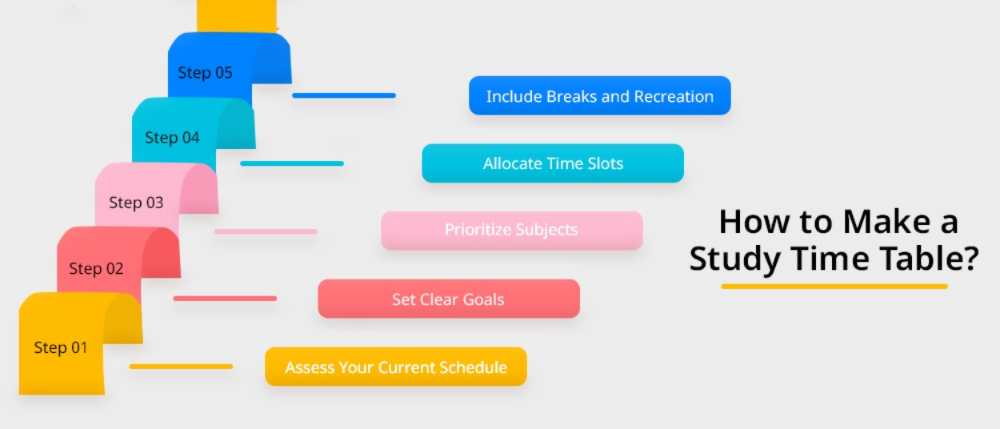
Every CBSE student starts the academic year with good intentions. New notebooks, a fresh timetable, and the promise that “this year, I’ll study regularly.” But as weeks pass, homework piles up, concepts start getting confusing, and exams suddenly feel closer than expected. Parents worry, students feel pressured, and the same question returns every year: What is the right way to study for CBSE?
The truth is, CBSE success is not built overnight, and it is not achieved by studying endlessly for long hours. It comes from following a realistic, balanced study plan that changes as the student grows from Class 6 to Class 12. This blog explains that success formula in a practical and relatable way—one that works in real homes, with real students, and real challenges.
Understanding CBSE Before Chasing Marks
CBSE is not designed only to test memory. Over the years, the board has shifted its focus toward understanding concepts, applying knowledge, and writing structured answers. Students who rely only on rote learning often struggle, especially in higher classes.
From middle school onwards, CBSE gradually prepares students for board exams, competitive exams, and higher education. That means students need more than just good textbooks—they need clarity, consistency, and confidence. A proper study plan respects this structure and supports students at every stage of their academic journey.
Why Most Study Plans Fail for CBSE Students
Many students copy study plans from toppers, coaching institutes, or social media. These plans often look impressive but fail in real life. They demand too many hours, ignore school workload, and leave no space for rest or revision. When students cannot follow them perfectly, they feel guilty and give up entirely.
A successful CBSE study plan is not strict—it is flexible and realistic. It adapts to the student’s class level, strengths, weaknesses, and daily routine. Most importantly, it focuses on regular effort instead of last-minute pressure.
Classes 6 to 8: Where the Foundation Is Built
The CBSE journey truly begins in Classes 6 to 8. These years are often underestimated because there are no board exams, but they are the most important phase for building strong basics. Students who understand concepts clearly at this stage find higher classes much easier.
At this level, the goal is not long study hours but daily engagement with studies. Two to three focused hours are enough if students revise what they learn in school and practice regularly. Subjects like Mathematics and Science should be revisited daily, while languages improve through reading, writing, and conversation.
Parents play a big role here. Instead of pushing for marks, they should encourage curiosity and questions. When children enjoy learning, discipline comes naturally. Many parents also choose guided support during these years through platforms like Suganta Tutors, where experienced tutors help explain concepts patiently and age-appropriately, making learning enjoyable rather than stressful.
Classes 9 and 10: The Phase Where Strategy Matters
Class 9 is often called the most challenging year because the syllabus suddenly becomes deeper and more detailed. Students who were comfortable till Class 8 may feel overwhelmed. This is where a proper study strategy becomes essential.
Class 10 adds exam pressure, expectations, and time management challenges. At this stage, students must move beyond reading and start writing answers, solving problems, and revising regularly. Understanding how to present answers according to CBSE marking schemes becomes just as important as knowing the content.
A realistic study plan for Classes 9 and 10 balances school studies, self-study, and revision. Students should not wait for exams to revise. Weekly reviews help identify weak areas early, reducing stress later.
Parents often notice emotional ups and downs during this phase. Calm guidance and timely academic support make a huge difference. Subject-specific help, especially in Maths and Science, often brings clarity and confidence when students need it most.
Classes 11 and 12: Discipline, Depth, and Direction
Classes 11 and 12 are a turning point in every CBSE student’s life. The syllabus becomes extensive, concepts demand deeper understanding, and future goals—college admissions, entrance exams, careers—start influencing daily study routines.
One of the biggest mistakes students make is treating Class 11 casually after doing well in Class 10. The jump in difficulty surprises many students, leading to backlogs and confusion. A realistic study plan in Class 11 focuses on concept clarity and regular revision, not just exam scores.
Class 12 requires even more focus. Students must manage board preparation alongside entrance exams where applicable. Time management, self-testing, and consistent revision become crucial. At this stage, quality study matters more than the number of hours spent with books.
Many students benefit from one-on-one guidance during these years, especially in subjects like Physics, Chemistry, Mathematics, Accountancy, and Economics. Personalized support helps address doubts quickly and keeps preparation on track.
Creating a Daily Study Routine That Feels Achievable
A study routine should support learning, not exhaust the student. The best routines are those students can follow every day without feeling pressured. Mornings are often ideal for learning new concepts, while evenings work well for revision and practice.
Short, focused study sessions with breaks improve concentration. Instead of studying everything every day, students should rotate subjects wisely. Regular reading of NCERT textbooks remains essential, as CBSE questions are largely based on them.
Consistency matters more than perfection. Even on busy days, studying a little keeps momentum alive.
Revision: The Real Secret Behind CBSE Success
Many students understand topics well but forget them during exams. This happens when revision is ignored. CBSE preparation without revision is incomplete.
Regular weekly and monthly revisions strengthen memory and improve confidence. Writing answers, solving previous years’ questions, and attempting sample papers help students understand exam patterns and improve time management.
Tutors often guide students on how to revise effectively, which topics need more attention, and how to avoid common mistakes. This structured revision approach saves students from last-minute panic.
The Emotional Side of Studying That Parents Often Miss
Academic success is closely connected to emotional well-being. Pressure, comparison, and fear of failure can block learning. Parents should create a supportive environment where effort is appreciated, not just results.
Listening to a child’s concerns, encouraging breaks, and celebrating small improvements go a long way. A calm and positive home atmosphere helps students focus better and stay motivated throughout the year.
How Suganta Tutors Supports the CBSE Success Formula
Suganta Tutors acts as a bridge between students and reliable academic guidance. Parents can connect with tutors who understand the CBSE syllabus, exam patterns, and student challenges. Instead of random searching, they get structured options that suit their child’s needs.
Whether a student needs concept clarity, exam preparation support, or regular academic monitoring, Suganta Tutors helps families make informed choices that fit into a realistic study plan.
Final Thoughts: Success Is Built Step by Step
CBSE success does not come from studying all night before exams or following unrealistic routines. It comes from understanding concepts, revising regularly, managing time wisely, and seeking help when needed.
A realistic study plan respects the student’s pace and evolves from Class 6 to Class 12. With patience, consistency, and the right support system—including platforms like Suganta Tutors—students can achieve strong academic results without sacrificing their confidence or well-being.
Frequently Asked Questions (FAQs)
How many hours should CBSE students study daily?
Study hours depend on the class level, but focused study is more effective than long, distracted hours.
Is tuition necessary for every CBSE student?
Not always. Tuition helps when students need personalized attention or struggle with specific subjects.
How important are NCERT books for CBSE exams?
NCERT books are extremely important and should be the primary study resource for CBSE students.
Can online tutoring really help CBSE students?
Yes, when tutors are experienced and sessions are interactive, online tutoring can be very effective.
How does Suganta Tutors help CBSE students?
Suganta Tutors connects students with verified tutors who understand CBSE requirements and offer focused guidance.
How often should students revise?
Weekly and monthly revisions are ideal for long-term retention and exam readiness.
What should parents do if a child feels demotivated?
Parents should focus on encouragement, understanding, and timely academic support rather than pressure.




