What is Active Learning?
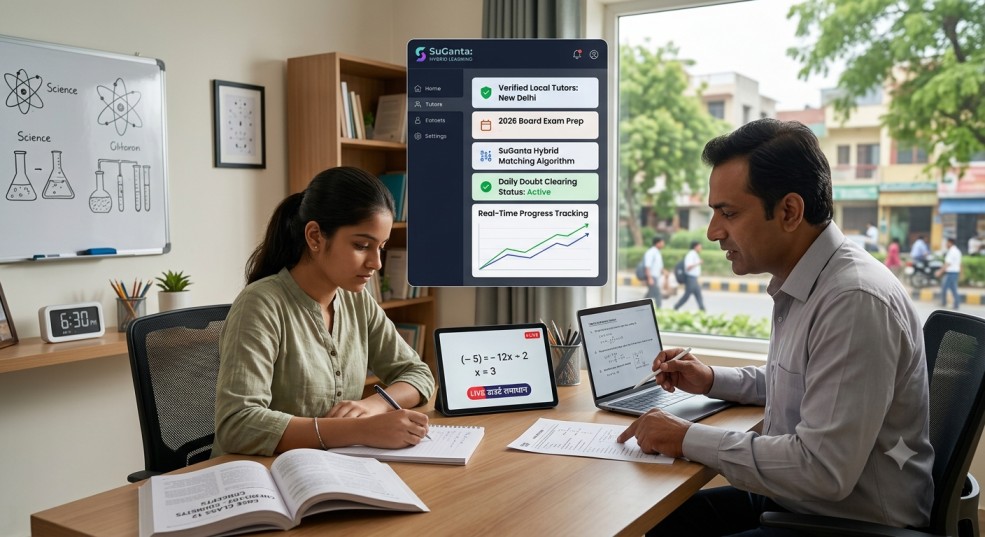
Active learning is a method where students actively participate in the learning process instead of being passive observers. It includes techniques like summarizing, questioning, solving problems, teaching others, and practicing regularly. When you actively engage with the subject, your brain stays alert, reducing distractions and increasing focus.
Why Active Learning Improves Concentration
Passive reading often leads to boredom and lack of interest, which makes it difficult to concentrate. Active learning, on the other hand, keeps your brain involved. It requires thinking, analyzing, and responding, which naturally improves your attention span. When your mind is fully engaged, it becomes easier to stay focused for longer study sessions.
Make Your Own Notes
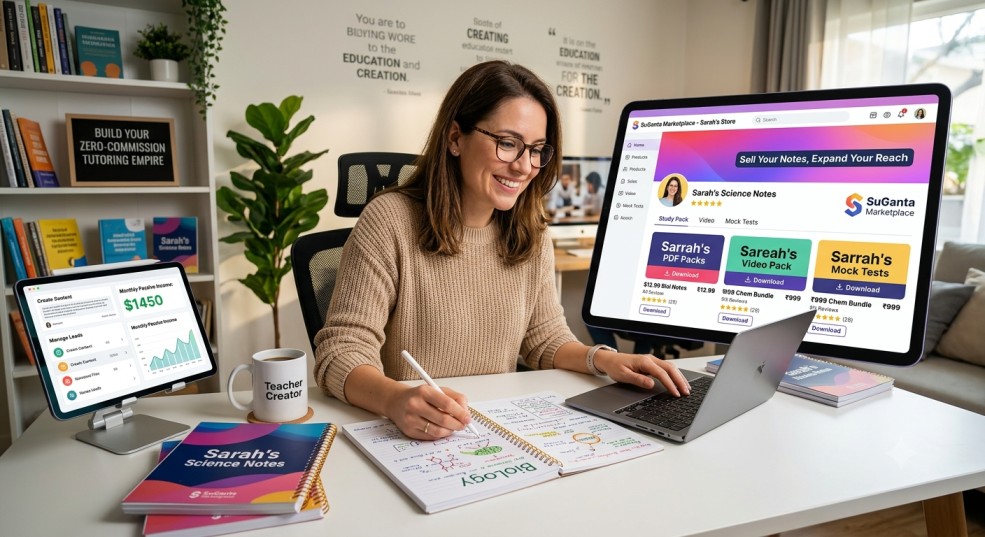
Instead of relying only on textbooks, create your own notes in simple language. Writing helps you process information better and strengthens your understanding. Use bullet points, diagrams, and flowcharts to make your notes visually appealing and easy to revise. Personalized notes are also more effective during last-minute revision.
Practice Regularly with Questions
Solving questions is one of the best forms of active learning. Practice sample papers, previous years’ questions, and mock tests. This not only improves your concentration but also helps you understand the exam pattern and manage time effectively. The more you practice, the more confident and focused you become.
Use the Teach-Back Method
One of the most effective active learning strategies is teaching what you’ve learned to someone else. When you explain a concept, you understand it more clearly and identify any gaps in your knowledge. Even if no one is available, try teaching aloud to yourself. This technique significantly improves focus and retention.
Ask Questions While Studying
Don’t just read—question everything. Ask yourself “why,” “how,” and “what if” while studying. This habit keeps your brain active and prevents boredom. It also helps you develop critical thinking skills, which are essential for scoring well in board exams.
Use Visual Learning Techniques
Visual aids like diagrams, charts, and mind maps make learning more interactive and engaging. They help simplify complex topics and improve memory retention. Subjects like Biology, Geography, and even certain parts of Physics and Chemistry become easier when studied visually.
Break Down Complex Topics
Large topics can feel overwhelming and reduce concentration. Break them into smaller sections and focus on one part at a time. This makes learning manageable and keeps your mind from getting tired. Completing small sections also gives a sense of achievement, which boosts motivation.
Take Short Tests and Self-Assess
Regular self-assessment is a key part of active learning. Take short quizzes or tests after completing a topic. This helps you evaluate your understanding and identify weak areas. Self-testing also trains your brain to recall information quickly, which is crucial during exams.
Stay Consistent with Practice
Active learning is most effective when practiced regularly. Make it a habit to engage actively with every subject you study. Consistency builds discipline and improves your ability to concentrate over time. Even small daily efforts can lead to significant improvement.
Avoid Passive Study Habits
Simply reading textbooks, highlighting lines, or watching videos without interaction can reduce concentration. While these methods may seem easy, they are not very effective for long-term learning. Replace passive habits with active techniques to make your study time more productive.
Combine Active Learning with Breaks
Even with active learning, your brain needs rest. Use techniques like studying for 30–40 minutes followed by a short break. This helps maintain high levels of concentration and prevents mental fatigue. During breaks, relax your mind instead of engaging in distracting activities.
FAQs (15)
1. What is active learning?
Active learning is a method where students engage actively with study material through practice and interaction.
2. How does active learning improve concentration?
It keeps your brain engaged, reducing distractions and increasing focus.
3. Is making notes an active learning technique?
Yes, writing notes helps in better understanding and retention.
4. How often should I practice questions?
You should practice daily to strengthen your concepts.
5. What is the teach-back method?
It involves explaining concepts to others or yourself to improve understanding.
6. Are visual aids helpful in studying?
Yes, diagrams and charts make learning more engaging and easier to remember.
7. Can active learning help in scoring better marks?
Yes, it improves understanding and recall, leading to better performance.
8. How do I stay consistent with active learning?
Make it a part of your daily study routine.
9. Is passive learning ineffective?
It is less effective compared to active learning for long-term retention.
10. How can I test my understanding?
Take quizzes and solve practice papers regularly.
11. Does active learning take more time?
It may seem so initially, but it saves time in revision.
12. Can I use active learning for all subjects?
Yes, it works for both theoretical and practical subjects.
13. How do I avoid boredom while studying?
Use interactive techniques like questioning and teaching.
14. Should I combine active learning with breaks?
Yes, breaks help maintain focus and prevent fatigue.
15. What is the biggest advantage of active learning?
It improves concentration, understanding, and memory retention.