Every parent wants their child to grow confidently, perform well in school, and enjoy learning. We encourage them to complete homework, prepare for exams, and aim for good grades. But sometimes, despite our best efforts, children begin to struggle academically. The changes may be small at first — slightly lower marks, less enthusiasm, more excuses — but over time, these small signs can turn into bigger concerns.
Recognizing the warning signs early can make a huge difference. Academic struggles are not a sign of failure. They are signals that a child may need extra guidance, structured learning, or emotional support. In this detailed guide, we will explore the different signs that indicate your child may need academic help, and how timely support from platforms like Suganta Tutors, through home tuition and online sessions, can help them regain confidence and improve steadily.
A Gradual or Sudden Drop in Academic Performance
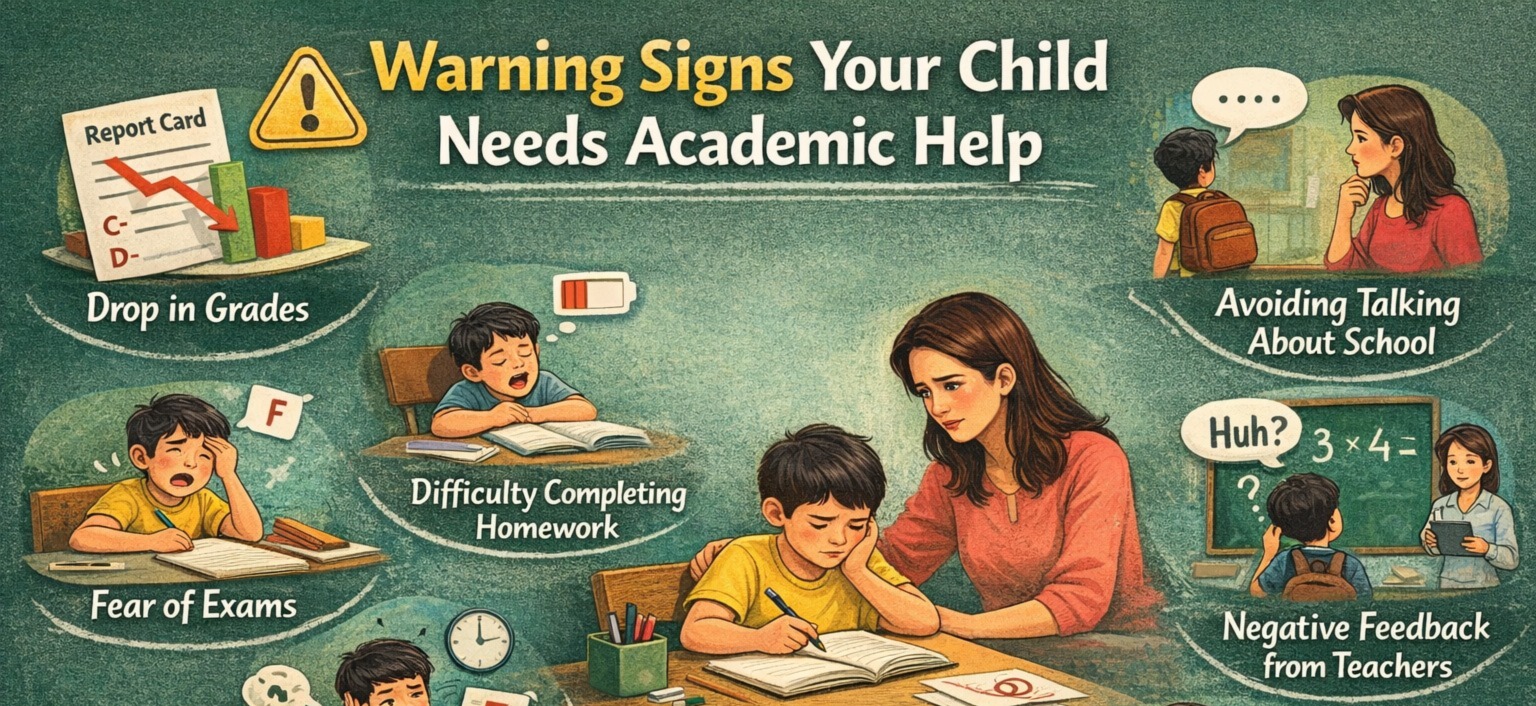
One of the most noticeable warning signs is a decline in grades. Sometimes this drop is sudden, and sometimes it happens slowly over a few months. A child who once performed confidently may start scoring average or below-average marks. While occasional fluctuations are normal, consistent decline often indicates deeper issues.
As students move to higher classes, the difficulty level of subjects increases. Concepts become more complex, and foundational gaps begin to show. For example, if a child did not fully understand basic fractions in earlier grades, advanced algebra later may feel overwhelming. Without strong fundamentals, new topics become confusing.
Instead of assuming laziness, it is important to ask whether the child truly understands the material. At Suganta Tutors, experienced tutors assess a student’s strengths and weaknesses before designing a personalized learning plan. Through structured practice papers and consistent revision, students gradually regain academic stability.
Loss of Interest in Studying
Children are naturally curious. When they suddenly lose interest in studies, avoid books, or show frustration toward homework, it may indicate that learning has become stressful for them.
Sometimes children lose motivation because they feel they are not good enough. If they repeatedly struggle in class, they may develop fear or embarrassment about asking questions. Over time, this emotional discomfort turns into avoidance.
Academic help should not only focus on marks but also on rebuilding interest. A patient home tutor who explains concepts clearly can make learning enjoyable again. Through interactive online sessions and supportive teaching methods, Suganta Tutors helps students rediscover confidence and curiosity.
Taking Too Long to Complete Homework
If your child spends hours sitting with books but completes very little work, it may signal confusion rather than distraction. Homework is meant to reinforce classroom learning. When children do not understand the lesson, even simple assignments feel overwhelming.
Some children avoid homework because they fear making mistakes. Others may depend too much on parents for help because they lack independent understanding.
Providing academic support through home tuition or guided online sessions can address these challenges. Tutors at Suganta Tutors ensure that students understand concepts before moving forward, making homework manageable and less stressful.
Fear of Exams and Low Confidence
Exams naturally create some anxiety. However, extreme fear — such as crying before tests, frequent complaints of illness during exam time, or refusing to attempt practice papers — may indicate academic insecurity.
When students feel unprepared, their confidence drops. Instead of facing the challenge, they may avoid studying or pretend not to care.
Regular practice papers and mock tests build familiarity with exam patterns. At Suganta Tutors, tutors guide students through structured assessments that improve time management and answer presentation. As preparation improves, fear decreases naturally.
Confidence grows when children feel capable.
Avoiding Conversations About School
If your child avoids discussing school, hides report cards, or becomes defensive when asked about grades, it may signal academic distress.
Children often fear disappointing their parents. Instead of admitting they need help, they withdraw emotionally.
Parents should approach such situations gently. Open communication without judgment encourages honesty. Once challenges are identified, seeking timely academic support becomes easier.
Suganta Tutors emphasizes transparency and regular progress updates, helping parents stay informed while supporting their child positively.
Difficulty Understanding Basic Concepts
Another important warning sign is struggling with fundamentals. If a student in higher grades cannot confidently perform basic arithmetic or write structured sentences, foundational gaps may exist.
Advanced topics build upon earlier knowledge. Without clarity in basics, students feel lost when lessons become more complex.
Academic help should focus on rebuilding these foundations patiently. Tutors at Suganta Tutors identify concept gaps and strengthen them step by step, ensuring long-term improvement rather than temporary memorization.
Increased Frustration or Mood Changes
Academic struggles often affect emotional well-being. A child who becomes irritable, withdrawn, or easily frustrated may be experiencing internal stress related to studies.
Repeated difficulty in understanding lessons can lower self-esteem. Children may label themselves as “weak” or “not smart enough.”
It is important for parents to recognize that these emotional reactions are signals of academic pressure. Providing structured guidance through home tuition or online sessions can reduce frustration by offering clarity and encouragement.
Negative Feedback from Teachers
Sometimes teachers inform parents about declining performance or incomplete assignments. While occasional mistakes are normal, consistent feedback about lack of participation or understanding may indicate the need for additional support.
Teachers observe classroom behavior closely. If they notice confusion or disengagement, parents should consider it an opportunity to intervene early.
Suganta Tutors works alongside school curriculum, ensuring that tutoring complements classroom teaching.
Constant Comparison with Peers
When children repeatedly compare themselves with classmates and say things like “Everyone else understands except me,” it reflects low confidence.
Comparison can reduce motivation and increase insecurity. Academic help should focus on individual growth rather than competition.
Through personalized teaching methods and steady progress tracking, Suganta Tutors helps students focus on self-improvement rather than comparison.
Procrastination and Distraction
Frequent procrastination may sometimes hide academic difficulty. When students feel incapable of handling a subject, they delay studying to avoid discomfort.
Providing a structured study plan and regular guidance can reduce procrastination. Personalized academic schedules and monitored sessions at Suganta Tutors encourage discipline and accountability.
The Importance of Early Intervention
Ignoring warning signs can allow small academic gaps to become larger problems. Early support makes recovery easier and faster.
Seeking help does not mean your child is weak. It shows that you are proactive and supportive as a parent.
Home tuition, structured online sessions, and guided practice papers can transform confusion into clarity.
How Suganta Tutors Supports Academic Growth
When warning signs appear, timely action matters. Suganta Tutors provides:
Personalized home tuition tailored to student needs.
Interactive online sessions for flexible learning.
Structured practice papers aligned with exam patterns.
Regular progress tracking and parent communication.
Focused concept clarity and doubt-solving.
By combining academic expertise with emotional encouragement, Suganta Tutors ensures steady improvement and renewed confidence.
Frequently Asked Questions (FAQs)
1. How can I tell if my child truly needs academic help?
Look for consistent signs like declining grades, low confidence, incomplete homework, and loss of interest in studies.
2. Are occasional low marks normal?
Yes, occasional dips are normal. However, repeated decline may require attention.
3. When should I hire a home tutor?
If your child struggles with understanding lessons or shows exam fear, additional support can help.
4. How does Suganta Tutors help struggling students?
Suganta Tutors provides personalized tutoring, online sessions, and structured practice papers to improve understanding and performance.
5. Can academic help improve confidence?
Yes. As understanding improves, confidence naturally increases.
6. Is online tuition effective?
Interactive online sessions can be highly effective when structured properly.
7. Should I wait until final exams before seeking help?
No. Early intervention prevents long-term gaps.
8. How can I support my child emotionally?
Encourage open communication, avoid harsh criticism, and focus on steady progress.
Final Thoughts
Every child learns at their own pace. Struggling academically does not define their intelligence or potential. It simply means they need guidance, patience, and the right support system.
By recognizing warning signs early and providing structured academic help through home tuition and online sessions at Suganta Tutors, parents can help their children rebuild confidence and achieve steady growth.
Academic success is not about perfection. It is about progress, understanding, and encouragement. With timely support and consistent effort, every child can move forward confidently.