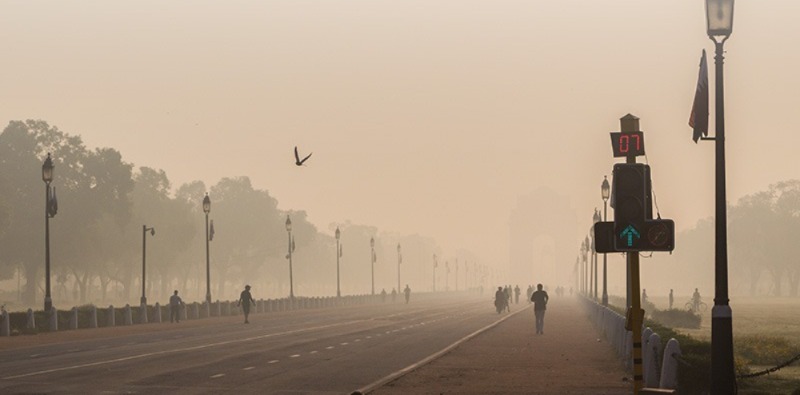
Delhi’s air quality has become one of the biggest conversations in India, especially during the winter months when pollution rises sharply and the AQI (Air Quality Index) shoots up to alarming levels. The city—home to millions—turns into a grey bubble where the air feels heavy, the sky looks hazy, and breathing becomes uncomfortable. Understanding AQI and the reason behind pollution is important, not just for awareness but for making safer choices for your health.
What AQI Really Tells You
The Air Quality Index (AQI) is more than just a number—it is a health indicator. It tells you how polluted the air around you is and how safe it is to breathe. The AQI scale runs from 0 to 500. A lower number means clean air, while a higher number indicates dangerous pollution levels.
0–50: Good, safe for everyone
51–100: Moderate
101–200: Unhealthy for sensitive groups
201–300: Poor
301–400: Very Poor
401–500: Severe and hazardous
In Delhi, AQI often crosses 400, which means the air becomes harmful even for healthy adults. Children, seniors, and people with asthma or heart issues are at even higher risk.
Why Pollution in Delhi Gets So Bad
Delhi is surrounded by multiple sources of pollution that combine to create extremely poor air quality. Vehicle smoke, construction dust, factory emissions, garbage burning, and stubble burning in nearby states all add layers of pollutants into the atmosphere. In winter, due to low wind speed and temperature drop, these pollutants remain trapped near the ground, forming a thick layer of smog.
This mixture of dust, smoke, toxic gases, and tiny particles makes the air unsafe and raises AQI rapidly.
How High Pollution Impacts Health
When AQI rises, the first effects appear on your breathing. People start feeling irritation in their throat, burning in the eyes, and heaviness in their chest. Long exposure to polluted air can damage the lungs, lower immunity, and lead to long-term health issues.
High pollution also affects daily life:
Children avoid outdoor play
Morning walks become unsafe
Schools may switch to online classes
People feel tired and experience headaches
This is why tracking AQI daily is essential—just like checking weather or traffic.
How to Stay Safe When AQI Is High
While you cannot reduce Delhi’s pollution alone, you can protect yourself and your family:
Wear N95 masks outdoors
Use air purifiers indoors
Close windows during peak pollution hours
Avoid heavy workouts outside
Drink more water and stay hydrated
Check AQI before leaving home
These habits reduce the harm caused by breathing polluted air.
How SuGanta Helps Students During High Pollution Days
During heavy pollution days, when AQI becomes dangerous, students often face school closures, suspended outdoor activities, and travel restrictions. To ensure learning never stops, SuGanta offers safe and flexible online and home tuition options. Students can study from the comfort of their homes, avoid stepping out in polluted air, and continue their academic progress with verified tutors. You also learn AQI on Suganta classes
This ensures that pollution and AQI levels do not disturb a child’s education.
Delhi Needs Long-Term Change
Temporary solutions can control pollution for a few days, but long-term improvement requires strong steps—cleaner fuel, better public transport, limiting industrial emissions, more green spaces, and stricter laws against burning waste. Only collective action can bring a lasting change in Delhi’s air quality.
Final Thoughts
Delhi’s pollution problem and rising AQI are not just seasonal issues—they affect health, lifestyle, and future generations. Understanding AQI helps you take better decisions about outdoor activities, protecting your family, and planning your day wisely. With awareness, preventive measures, and platforms like SuGanta supporting students, life becomes safer even in high-pollution periods.
FAQs – Delhi Pollution & AQI
1. What is AQI and why is it important in Delhi?
AQI (Air Quality Index) tells how clean or polluted the air is. It becomes especially important in Delhi because pollution levels rise sharply during winter. High AQI means the air is unsafe to breathe and can cause serious health issues.
2. Why does Delhi face so much pollution every year?
Delhi’s pollution is a mix of many factors—vehicle smoke, industrial emissions, construction dust, garbage burning, and stubble burning in nearby states. In winter, weather conditions trap all this pollution near the ground, worsening AQI.
3. How does high pollution affect daily life?
High pollution causes breathing problems, eye irritation, headaches, low energy, and cough. Schools may close, outdoor activities stop, and people often avoid morning and evening outings when AQI is very high.
4. What can I do to protect myself when AQI is dangerous?
Limit outdoor activities, wear N95 masks, use air purifiers at home, drink plenty of water, and keep windows closed during peak pollution hours. Always check AQI before stepping out.
5. Is it safe for children to go outside when AQI is high?
No. Children are more sensitive to pollution because their lungs are still developing. When AQI is above 200, outdoor play and travel should be avoided as much as possible.




