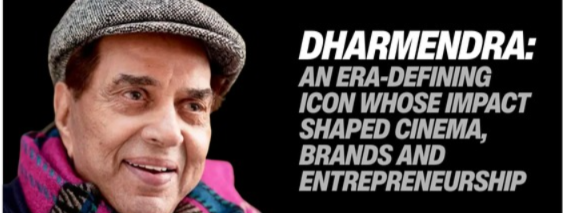
Dharmendra Singh Deol, fondly known as the "He-Man," is one of the most beloved figures in Indian cinema. His incredible life story is a testament to the idea that massive success can be built on the foundation of humility and hard work. He never forgot the simple life, and that connection became the very charm that captivated millions.
Part 1: The Soul of Punjab – Roots and Lifestyle
Dharmendra was born on December 8, 1935, in Nasrali village, Ludhiana district, Punjab. His upbringing was deeply rooted in the traditional Punjabi Jat lifestyle, which revolves around land, family, hard work, and hospitality.
The Simple Punjabi Lifestyle
The Punjab of the 1930s and 40s was characterized by strong communal bonds and an agrarian way of life.
Connection to the Land: His family, though headed by his father who was a school headmaster, also owned several acres of agricultural land. Dharmendra often took immense pride in his farming roots, calling himself a "kissan da puttar" (a farmer's son). He fondly recalled his simple village life, often riding tractors and working in his family's fields. This life taught him the value of labor and patience.
Culture of Hospitality: Punjab is famed for its large-heartedness. This cultural trait is visible in Dharmendra's personal life; stories abound of the Deol household in Mumbai constantly hosting villagers who came to meet the star, showcasing his inability to turn away anyone from his home.
Love for Language and Poetry: Despite his tough on-screen persona, Dharmendra was a closet poet and had a deep love for Urdu couplets. This simple, sensitive side of his personality was a direct contrast to his "He-Man" image, reflecting the richness of rural Punjabi culture that values both strength and sentiment.
Part 2: The Education Journey – Discipline Meets Dream
Dharmendra's formal education was disciplined, reflecting his father's profession, but it was his passion for cinema that truly educated him about life's possibilities.
Academic Background
Schooling: He attended the Government Senior Secondary School at Lalton Kalan, Ludhiana, where his father was the school headmaster. This environment ensured he received a firm, structured education.
Intermediate Studies: He completed his Matriculation (Class 10) in Phagwara in 1952. He later pursued his Intermediate studies (up to Class 12) at Ramgarhia College, Phagwara.
Life's True Education: Though his formal schooling stopped there, Dharmendra’s real learning began when he decided to pursue acting. His family, especially his headmaster father, was initially skeptical of the risky profession. However, his simple prayer to God was not for money, but simply to see his pictures everywhere—a goal so clear it helped him navigate the struggles of the city.
Part 3: Struggle in the City and the Legacy Lifestyle
Dharmendra's move to Bombay was the classic tale of a small-town boy chasing a big dream.
The Initial Hardship
Winning a Filmfare talent hunt contest in 1958 gave him the ticket, but success was far from guaranteed. The first few years were financially brutal. He was an "untutored villager" with no idea of acting, relying solely on his dreams and good looks. He earned a pittance for his early work. This prolonged struggle honed his resilience and ensured he always remained humble, unlike the "swish set" of stars he encountered.
The Post-Stardom Lifestyle
Grounded Simplicity: Even after achieving massive stardom with films like Phool Aur Patthar (1966) and the unforgettable Sholay (1975), Dharmendra's lifestyle remained incredibly grounded.
The Lonavala Sanctuary: His most famous retreat is his 100-acre farmhouse in Lonavala. This isn't a mere luxury home; it's a functioning farm where he returns to the roots of his Punjab life. He often spends time working in the fields, connecting with nature, and posting about his simple life on social media—a clear statement that the farmer's son is still his truest identity.
Versatile Legacy: His career spanned over six decades and 300 films, earning him the title "He-Man" and eventually the Padma Bhushan (2012), recognizing his contribution to Indian arts and culture.
SuGanta Tutors: Cultivating Success from Strong Roots
Dharmendra’s life demonstrates that a strong foundation, combined with the will to overcome a struggle, is the blueprint for success. Students today face academic and competitive struggles just as intense as those in Bollywood. SuGanta Tutors relates to this journey by providing personalized guidance that takes a student's current "roots" (their existing knowledge and struggles) and provides the targeted resources necessary to cultivate success. By offering expert mentorship and customized study plans, SuGanta helps students—just like the determined young Dharmendra—bridge the gap between their humble beginnings and their highest aspirations.
Frequently Asked Questions (FAQ)
Q1: What was Dharmendra's main job before entering films?
A: Before his full dedication to films, Dharmendra worked briefly for an American drilling company as a mechanic.
Q2: Which film is widely credited with making him an action star?
A: While his breakthrough was Phool Aur Patthar (1966), his action-star persona was solidified through roles in films like Sholay (1975) and Dharam Veer.
Q3: What famous Indian civilian award did he receive?
A: He received the Padma Bhushan in 2012, which is India's third-highest civilian honor.
Q4: Why does Dharmendra call himself a "kissan da puttar"?
A: He calls himself a "farmer's son" because he was born into a farming family in rural Punjab and has maintained a lifelong emotional and practical connection to the land and agricultural life at his Lonavala farmhouse.




