As parents, we all want reassurance. We want to know that our child is learning properly, understanding concepts clearly, and moving in the right academic direction. But in reality, many parents only look at report cards or final exam results to judge performance. By the time those results come, it may already be late to fix gaps.
Tracking your child’s academic progress at home is not about putting pressure on them. It is about staying involved, offering support, and identifying small issues before they become big problems. You do not need to be a mathematics expert or a science teacher to do this. What you need is awareness, observation, and a simple structured approach.
In this detailed and practical guide, we will understand how you can monitor your child’s learning in a calm and positive way. We will also explore how Suganta Tutors helps parents track academic improvement through personalized guidance, structured assessments, and carefully designed online classes and home tuition programs.
Understanding What “Academic Progress” Really Means
Many parents believe progress means higher marks. But academic progress is much deeper than that. It includes concept clarity, consistency, confidence, time management, writing skills, and problem-solving ability.
For example, if your child improves from scoring 60 to 75 in mathematics, that is visible progress. But if your child still struggles to explain basic concepts, then there is a hidden gap. On the other hand, a child who consistently scores 75 but shows improved understanding, better presentation, and fewer careless mistakes is also progressing.
Tracking progress means observing both numbers and behavior.
Observe Your Child’s Learning Patterns
The first step is observation. Spend a little time sitting with your child during study hours. You do not need to interfere constantly. Simply observe.
Does your child take too long to complete simple homework?
Do they avoid certain subjects?
Do they understand concepts but make careless mistakes?
Do they get frustrated easily during problem-solving?
These small signs tell you a lot about their academic health. Many parents search online for “how to improve child academic performance” or “ways to monitor student progress at home,” but the answer often begins with quiet observation.
Every child learns differently. Some are visual learners. Some prefer writing repeatedly. Some understand better through discussion. Recognizing this helps you track improvement realistically.
Build a Consistent Study Routine
Progress cannot be tracked if learning is irregular. A consistent study routine makes improvement measurable.
Instead of forcing long study hours, create a balanced schedule that includes homework, revision, reading time, and short breaks. A child who studies consistently for two focused hours daily often performs better than one who studies randomly for five hours before exams.
When study time becomes a habit, you can evaluate whether your child is completing tasks efficiently and understanding topics on time.
Consistency builds discipline, and discipline builds progress.
Focus on Understanding, Not Just Completion
Many parents ask one common question: “Did you finish your homework?”
A better question would be: “Did you understand what you studied today?”
Ask your child to explain the topic in their own words. If they can explain it clearly without looking at the book, it means they truly understand. If they hesitate or simply repeat textbook lines, then revision may be needed.
Encourage discussion. Let them teach you the concept. Teaching strengthens understanding.
When parents shift from checking completion to checking understanding, academic tracking becomes more effective.
Use Sample Papers and Regular Practice Tests
One of the most powerful tools for tracking academic progress is regular practice through sample papers and mock tests.
When your child solves sample papers, you can clearly see improvement in speed, accuracy, and presentation. It also helps in understanding how well they manage time under exam conditions.
For board exam preparation, solving previous year question papers regularly is extremely helpful. It builds confidence and reduces exam fear.
Suganta Tutors integrates structured weekly tests and sample paper practice into their teaching model. Parents receive regular feedback about improvement areas, making tracking transparent and reliable.
Instead of waiting for final exams, small weekly tests show whether your child is improving steadily.
Maintain a Progress Record
Keep a simple notebook or digital record where you write down test scores, weak chapters, and improvement areas. Over time, this record will reveal patterns.
For example, you may notice that your child consistently loses marks in word problems or grammar sections. That pattern helps you focus on targeted improvement instead of general studying.
When parents search for “how to track student performance at home,” they often overlook the power of simple documentation. A progress record turns vague observations into clear insights.
Communicate With Teachers and Tutors
Academic tracking becomes easier when parents and teachers work together.
Stay connected with school teachers. Ask about classroom behavior and participation. If your child attends tuition or online classes, request regular updates.
Suganta Tutors provides structured performance tracking and consistent feedback sessions. Their personalized approach ensures that parents understand exactly where the child stands academically.
When communication is strong, problems are solved faster.
Watch for Emotional and Behavioral Signs
Academic progress is not only about scores. It also reflects in behavior.
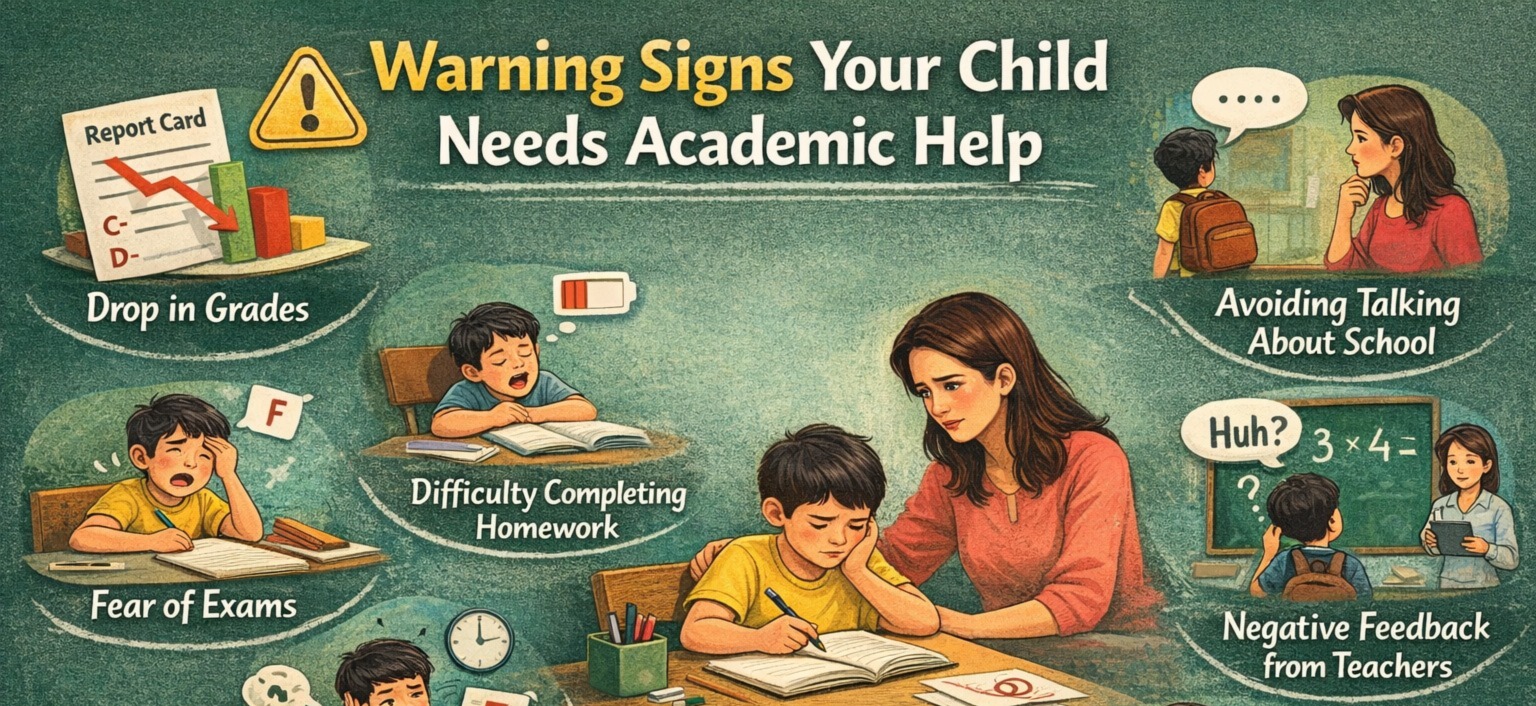
A child who is improving academically usually becomes more confident, less anxious about exams, and more willing to attempt difficult questions. On the other hand, sudden fear, avoidance of study time, or frustration may indicate underlying academic challenges.
Parents must balance academic monitoring with emotional support. Encourage effort. Appreciate improvement, even if it is small.
Confidence often leads to better marks naturally.
Encourage Self-Assessment
Teach your child to evaluate themselves honestly.
Ask simple reflective questions like:
Which subject felt difficult this week?
Which chapter do you feel more confident about?
What mistakes did you repeat?
When children learn to analyze their own performance, they become more responsible and independent learners.
Self-awareness is one of the most important academic skills.
When to Consider Professional Support
Sometimes, despite your efforts, your child may continue struggling. In such cases, professional guidance can make a big difference.
A reliable home tutor near you can provide structured lessons, focused attention, and systematic progress tracking. Online classes also offer flexibility while maintaining consistent academic support.
Suganta Tutors specializes in personalized home tuition and structured online classes. They design customized lesson plans, conduct regular assessments, and provide clear progress reports. Their goal is not just to improve marks but to build strong fundamentals and long-term confidence.
When professional support is combined with parental involvement, improvement becomes steady and visible.
Avoid Common Mistakes While Tracking Progress
Some parents unintentionally create pressure by comparing their child with others. Comparison often damages confidence more than it motivates.
Avoid constant criticism. Instead of focusing on mistakes, focus on solutions. Improvement takes time. Small progress every week leads to big success over months.
Patience and positivity are powerful tools.
Final Thoughts
Tracking your child’s academic progress at home does not require complicated systems. It requires awareness, consistency, and supportive communication.
Observe learning patterns. Build a routine. Use sample papers. Maintain progress records. Encourage self-assessment. Stay emotionally supportive.
And when needed, seek professional guidance.
With the right balance of parental involvement and structured academic support from experienced educators like Suganta Tutors, your child can steadily improve not only marks but also confidence and independence.
Progress is not always dramatic. Sometimes it is quiet and gradual. But with the right attention, every small step forward becomes a foundation for future success.
Frequently Asked Questions (FAQs)
How often should I monitor my child’s academic progress?
Weekly informal checks and monthly detailed reviews work best. This keeps tracking consistent without creating stress.
Are sample papers really necessary?
Yes. Sample papers help measure time management, accuracy, and exam readiness. They are essential for board exam preparation.
Can online classes help in tracking progress?
Yes. Online classes often include digital assessments, recorded sessions, and structured feedback systems that make monitoring easier.
What if my child resists study monitoring?
Approach the situation calmly. Explain that tracking progress is about support, not pressure. Involve them in goal setting.
How does Suganta Tutors support academic tracking?
Suganta Tutors provides personalized lesson plans, regular assessments, structured use of sample papers, and consistent parent feedback sessions to ensure transparent progress monitoring.