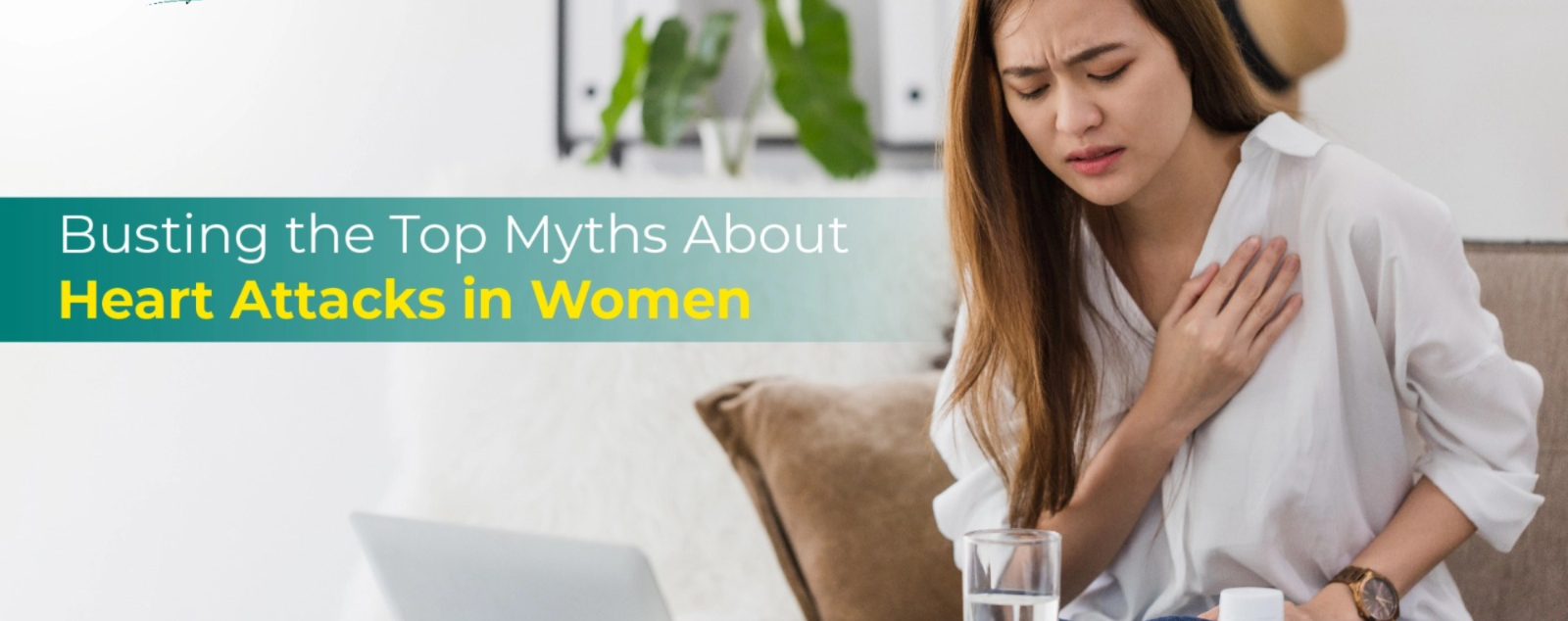
For a long time, many people have believed that heart disease mostly affects men and that women are somehow naturally protected from it. This idea is repeated so often that it feels like a fact—but in reality, it is a big and dangerous myth. Heart disease is one of the leading causes of death among women in India and across the world. The problem is not just the disease itself, but the lack of awareness, delayed diagnosis, and the tendency to ignore symptoms in women.
Women often balance many roles at once—work, family, children, and social responsibilities. In between all this, their own health quietly takes a back seat. This blog aims to explain, in simple and human words, why women are equally at risk of heart disease and why education and awareness are the strongest tools to fight it.
The Truth About Heart Disease in Women
Heart disease does not choose people based on gender. Women can develop heart problems just as men do, and sometimes the outcomes are even more serious. One major reason is that women usually reach the hospital later than men. Their symptoms are often mild, confusing, or mistaken for stress, acidity, or tiredness.
In India, changing lifestyles have increased this risk further. Less physical activity, unhealthy food habits, constant stress, poor sleep, and rising cases of diabetes and high blood pressure are affecting women at younger ages. Many women in their 30s and 40s are already at high risk, even if they appear healthy from the outside.
Why Do People Think Women Are Safer?
One reason behind this myth is hormones. Before menopause, estrogen does give women some protection, but this protection is not permanent. After menopause, the risk of heart disease increases sharply. Unfortunately, most women are not informed about this change and do not increase their health checkups at the right time.
Another reason is social thinking. Heart disease is still associated with smoking, alcohol, and male lifestyles, while women’s risks are often ignored. This gap in knowledge leads to delayed treatment and serious consequences.
Heart Disease Symptoms Are Different in Women
Unlike men, women may not always feel sharp chest pain during a heart attack. Many experience unusual tiredness, shortness of breath, nausea, dizziness, back or jaw pain, or cold sweating. Because these symptoms do not seem alarming, women often delay seeking medical help.
This delay can be life-threatening. Recognizing these early signs and taking them seriously can save lives.
Stress, Lifestyle, and Daily Pressure
Modern women handle emotional and physical pressure every day. Long working hours, household duties, caregiving, and mental stress slowly affect heart health. Chronic stress raises blood pressure and damages blood vessels over time. When stress is combined with lack of exercise and unhealthy eating, the risk multiplies.
This is why awareness should start early—not only for women, but also for students, families, and educators.
Education and Awareness Go Hand in Hand
At Suganta Tutors, learning is not limited to academic subjects. Real education also means understanding health, lifestyle, and well-being. When students learn about health early, they grow into adults who make better life choices. Teachers play a powerful role in shaping these habits through awareness and conversation.
Many parents today search online for a tutor near me not only for exams, but also for overall guidance and understanding. Platforms like Suganta Tutors connect learners with knowledgeable educators who can guide students of all ages—children, teenagers, and even adults.
For younger students, parents often look for Home Tuition for Class 1 to 5 near me, where learning is personal and supportive. For families seeking individual attention, a Female Home Tutor near me with fees is also a common and trusted choice. Education at home creates a comfortable environment where important life topics can be discussed openly.
Learning Has No Age Limit
Health education is not only for children. Adults also need guidance and clarity. Many people today look for a Tutor near me for adults to understand science, health basics, or lifestyle-related topics in a simple way. Heart disease awareness, basic biology, and healthy living concepts can be learned at any age.
Similarly, students interested in understanding how the human body works often search for a Tutor near me for science, where complex topics are explained in an easy and relatable manner. Knowledge removes fear, confusion, and myths.
In today’s time, awareness about health has become as important as academic success. Some families even search for a Tutor near me for Heart disease related topics, especially when a loved one is affected and they want to understand the condition better.
Why Breaking This Myth Matters
Believing that women are safer from heart disease leads to negligence. It delays checkups, ignores symptoms, and increases risk. Women must understand that taking care of their health is not selfish—it is essential. Regular exercise, balanced meals, stress control, proper sleep, and routine medical tests can greatly reduce heart disease risk.
When education and awareness work together, prevention becomes possible.
Conclusion
The idea that women are naturally protected from heart disease is false and harmful. Women are equally vulnerable, and sometimes more at risk, because their symptoms are overlooked and their health is ignored. Awareness, education, and early action are the keys to change.
By connecting learning with real-life health awareness, platforms like Suganta Tutors help build informed students, responsible adults, and healthier communities. Education does not just shape careers—it saves lives.
FAQs
Q1 Are women really at risk of heart disease?
Yes. Heart disease is one of the leading causes of death among women worldwide.
Q2 Why are women’s heart symptoms ignored?
Because their symptoms are often mild or different from men’s and are mistaken for stress or fatigue.
Q3 At what age should women start heart checkups?
Women should start regular monitoring after 30, or earlier if they have risk factors like diabetes or high BP.
Q4 Can students learn about health through tutoring platforms?
Yes. Education platforms can help spread awareness along with academic learning.
Q5 Is it useful for adults to learn health-related science?
Absolutely. Learning has no age limit, and understanding health basics helps in better decision-making.