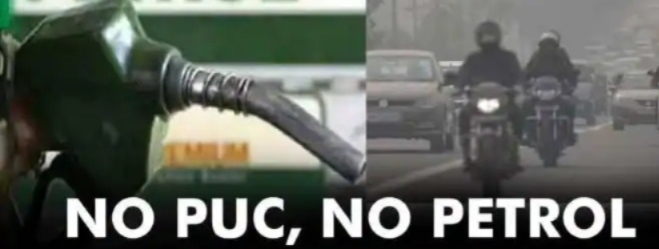
India’s fight against air pollution is entering a stricter phase. With air quality levels frequently crossing safe limits, especially in urban areas, authorities are now focusing strongly on vehicle emissions. One of the most talked-about steps is the “No PUC, No Petrol” rule. The message is simple and direct: if your vehicle does not meet pollution standards, it should not be running on the road.
This rule may feel inconvenient at first, but it reflects a growing urgency to protect public health, reduce environmental damage, and create cleaner cities for future generations.
Why Vehicle Pollution Can No Longer Be Ignored
Vehicles are among the largest contributors to air pollution in India. Daily traffic congestion, poorly maintained engines, and aging vehicles release harmful gases into the atmosphere. Over time, this pollution affects lungs, heart health, eyesight, and even mental well-being.
What makes the issue more serious is that pollution does not affect everyone equally. Children, senior citizens, and people with asthma or respiratory problems suffer the most. This makes strong action not just important, but necessary.
How Ignoring PUC Became a Common Habit
For many years, PUC certificates were treated as a formality. Many vehicle owners got it once and forgot about renewal. Since enforcement was weak, people continued driving without checking emission levels.
The “No PUC, No Petrol” rule changes this mindset completely. When fuel access depends on compliance, emission checks naturally become a priority.
What Changes at Petrol Pumps?
Under this rule, petrol pumps may check whether a vehicle has a valid PUC certificate before providing fuel. If the PUC is expired or missing, the pump can refuse service.
This approach ensures that responsibility is shared. Vehicle owners become accountable for maintenance, and fuel stations become part of pollution control efforts.
Will This Rule Increase Stress for Common People?
Initially, yes, some adjustment is required. People who are unaware or forget to renew their PUC may face inconvenience. However, once awareness spreads, this process becomes routine—similar to carrying a driving license or insurance papers.
The long-term benefit is reduced pollution, better health, and lower medical expenses, which outweigh short-term inconvenience.
Positive Impact on Road Discipline
One indirect benefit of this rule is improved road discipline. When people start maintaining their vehicles properly, it leads to better fuel efficiency, smoother driving, and fewer breakdowns.
A well-maintained vehicle not only pollutes less but also performs better, saving money over time.
The Role of Digital Systems and Technology
To make this rule successful, digital systems are essential. Online PUC records, SMS reminders, and digital verification at petrol pumps can reduce confusion and misuse.
Technology can help ensure that enforcement is smooth, transparent, and fair for everyone.
Why Awareness Is Just as Important as Enforcement
Strict rules without awareness often lead to frustration. People need to understand why PUC matters and how it protects their families.
Education platforms like Suganta Tutors play a quiet but important role here. By helping students understand environmental responsibility, civic rules, and sustainability, awareness starts at a young age and spreads naturally to families and communities.
How This Rule Supports a Cleaner Future
This rule is not an isolated action. It works alongside other initiatives such as electric vehicles, cleaner fuels, improved public transport, and better urban planning. Together, these efforts aim to reduce dependence on polluting vehicles.
Over time, as cleaner mobility options increase, rules like “No PUC, No Petrol” will become stepping stones toward a greener future.
What Vehicle Owners Should Do Going Forward
Vehicle owners should treat PUC renewal as a regular habit. Keeping reminders, servicing vehicles on time, and fixing emission-related issues early can prevent last-minute trouble.
Taking responsibility today helps avoid penalties tomorrow—and contributes to cleaner air for everyone.
A Shared Responsibility, Not Just a Rule
It’s important to understand that pollution control is not just the government’s job. Every vehicle owner plays a role. Small actions, when taken by millions, create a powerful impact.
Following PUC rules is one such small action with a big collective benefit.
FAQs
Q1. Can petrol really be denied if I don’t have a PUC?
Yes, petrol pumps may refuse fuel if the PUC certificate is invalid or expired.
Q2. How long does a PUC test take?
Usually just a few minutes at an authorized center.
Q3. Is PUC required for two-wheelers as well?
Yes, both bikes and cars must have a valid PUC certificate.
Q4. How often should I renew my PUC?
Generally every 6 months, depending on vehicle type and fuel.
Q5. Will this rule actually reduce pollution?
It will help significantly when combined with other clean transport measures and public cooperation.
Final Words
No PUC, No Petrol is not about control—it’s about care. Care for health, environment, and future generations. While the rule may feel strict today, its long-term impact can lead to cleaner air, healthier cities, and a more responsible society. Sometimes, meaningful change begins with small but firm steps.