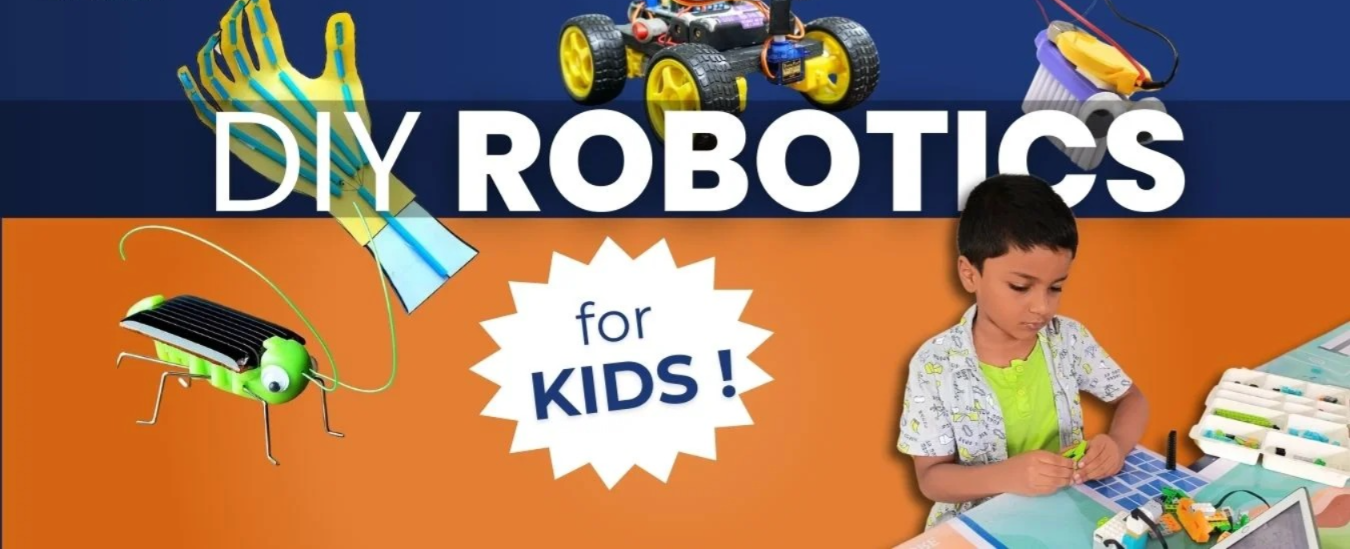
Learning has always been about curiosity, but the way curiosity is nurtured is changing rapidly. Today’s children are growing up in a world filled with technology, smart devices, automation, and innovation. In such an environment, education can no longer remain limited to books, exams, and memorization. This is where the idea of learning by building becomes powerful. Robotics and maker culture are transforming homes into creative learning spaces where children do not just consume technology but actively create it. With the right guidance from platforms like Suganta Tutors, this hands-on learning approach is shaping confident, curious, and future-ready students.
This blog explores how robotics and maker culture are rising within homes, why learning by building is so effective for children, and how home-based tutors from Suganta are helping families bring practical, skill-based learning into everyday life.
Understanding the Concept of Learning by Building
Learning by building simply means understanding concepts through hands-on creation rather than only through theory. Instead of reading about how machines work, children actually build simple devices, assemble components, and see results in real time. This method makes learning more engaging and meaningful because children can immediately connect ideas with outcomes.
When a child builds a simple robot or an electronic circuit, they are not just learning one subject. They are combining logic, creativity, problem-solving, and patience. Mistakes become part of the process, not something to fear. This mindset helps children develop confidence and resilience, qualities that are essential far beyond academics.
Maker culture supports this approach by encouraging experimentation. Children are free to explore ideas, try different solutions, and improve their designs. Over time, this creates independent learners who enjoy discovering how things work.
What Is Robotics and Maker Culture at Home?
Robotics and maker culture at home refers to creating an environment where children can explore technology through practical projects. This does not require advanced laboratories or expensive equipment. Simple robotics kits, basic tools, sensors, and everyday materials are enough to begin.
At home, children feel safe and comfortable. They are more willing to ask questions, express ideas, and experiment freely. With guidance from a home-based tutor, learning becomes structured without losing creativity. Tutors help children understand concepts step by step while encouraging curiosity.
Homes become mini innovation spaces where learning happens naturally. A dining table can turn into a workspace, and daily observations can inspire projects. This flexibility makes learning by building accessible to more families.
Why Robotics Learning Is Becoming Important for Children
The modern world is deeply influenced by technology. Robotics, automation, and artificial intelligence are becoming part of daily life. Introducing children to robotics early helps them understand the technology they interact with rather than using it passively.
Robotics learning strengthens problem-solving skills. When a project does not work as expected, children learn to analyze the issue, think logically, and try again. This builds patience and critical thinking. Children also learn how small changes can affect outcomes, an important life lesson.
Parents often notice that robotics learning keeps children engaged for longer periods. Unlike passive screen time, building projects requires focus and active participation. Children feel proud when their creations work, boosting self-confidence and motivation.
The Role of Maker Culture in Child Development
Maker culture focuses on creativity, exploration, and practical learning. It allows children to express ideas through physical creations. This approach nurtures imagination while teaching discipline and structure.
Children involved in maker activities often develop better communication skills. They explain their ideas, describe their projects, and share their learning experiences. This improves confidence and clarity in expression.
Maker culture also encourages teamwork and collaboration. Even in home-based learning, children interact with tutors and sometimes peers, learning how to listen, share ideas, and work together toward a goal.
Why Home-Based Tutors Are Essential for Learning by Building
Robotics and maker learning involve physical components, wiring, tools, and basic electronics. While videos and online tutorials are helpful, they cannot replace real-time guidance. This is where home-based tutors make a significant difference.
A home-based tutor provides personalized attention. They understand the child’s learning pace, interests, and comfort level. Lessons are adjusted accordingly, ensuring that learning remains enjoyable rather than overwhelming.
Safety is another important aspect. Tutors guide children on how to use tools and components properly. Parents feel more confident knowing that learning is supervised and structured.
How Suganta Tutors Makes Robotics Learning Easy at Home
Suganta Tutors acts as a bridge between families and skilled educators who specialize in robotics and maker learning. Suganta understands that every child is unique, which is why tutor matching is personalized rather than generic.
Tutors connected through Suganta are not only technically skilled but also trained to teach children patiently. They break down complex ideas into simple explanations and ensure that children understand concepts clearly.
Suganta also emphasizes a structured learning journey. Instead of random activities, children progress from basic concepts to more advanced projects step by step. This keeps learning consistent and motivating.
How Learning by Building Is Structured at Home
The journey usually begins with understanding basic components. Children learn about batteries, motors, sensors, switches, and controllers. Tutors explain how each part works and why it is important.
Once basics are clear, children start building small projects. These could include simple moving robots, automatic lights, or sensor-based alarms. Each project introduces new ideas while reinforcing previous learning.
Tutors encourage independent thinking. When a project does not work, children are guided to identify the problem themselves. This approach builds confidence and problem-solving ability.
Skills Children Develop Through Robotics and Maker Learning
Learning by building develops skills that go far beyond technical knowledge. Logical thinking improves as children understand sequences and relationships between components. Creativity grows as they design and modify projects.
Children also develop discipline and patience. Completing a project requires focus, planning, and persistence. Communication skills improve when children explain how their projects work.
These skills are valuable in every field, not just technology-related careers. They prepare children for a future where adaptability and innovation are key.
How Robotics Learning Supports School Education
Many parents worry that hands-on learning may distract children from school studies. In reality, robotics and maker learning often enhance academic understanding. Concepts from science and mathematics become clearer when applied practically.
For example, ideas like electricity, motion, and measurement are easier to understand when children see them in action. This improves retention and interest in school subjects.
With proper scheduling and guidance from Suganta Tutors, learning by building fits smoothly alongside school responsibilities.
Addressing Common Parent Concerns
Parents often have concerns about time management, safety, and academic balance. Home-based tutors address these concerns by creating structured schedules that align with school routines.
Safety is always prioritized. Tutors ensure that tools and components are used responsibly. Parents are kept informed about progress, creating transparency and trust.
This balanced approach allows children to enjoy hands-on learning without stress.
Long-Term Impact of Learning by Building
Children who grow up with robotics and maker culture develop confidence and curiosity. They are not afraid of technology and are more willing to explore new ideas.
As they move to higher classes and college, these students stand out due to their practical exposure and problem-solving mindset. More importantly, they develop a love for learning that lasts a lifetime.
Frequently Asked Questions (FAQs)
At what age can children start learning robotics at home?
Children can start as early as 7 or 8 years old with age-appropriate guidance from trained tutors.
Do children need prior technical knowledge?
No. Learning starts from the basics and progresses gradually.
Is robotics learning safe at home?
Yes. With experienced tutors from Suganta, safety guidelines are followed strictly.
Will learning by building affect school performance?
No. It often improves understanding and interest in school subjects.
How does Suganta Tutors help parents?
Suganta connects families with skilled home-based tutors who personalize learning for each child.
Final Thoughts
Learning by building is more than a trend; it is a powerful way to prepare children for the future. Robotics and maker culture encourage creativity, problem-solving, and confidence, all within the comfort of home.
With Suganta Tutors, parents can confidently introduce their children to hands-on learning guided by experienced mentors. Children do not just learn concepts—they build, explore, and grow.
The rise of robotics and maker culture at home is shaping a generation of young innovators, one project at a time.




